

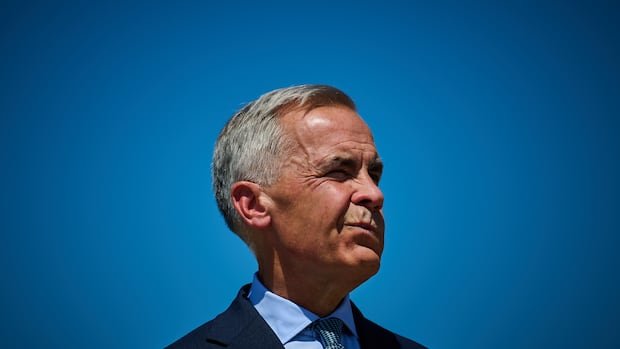

Prime Minister Mark Carney has described the ongoing negotiations with the U.S. to avert impending tariffs as sensitive and vigorous. Carney intends to engage with his American counterpart within the next two days to reach a mutually beneficial agreement. In a press briefing in St. John’s, Carney refrained from divulging details about the negotiations publicly, emphasizing the confidentiality of the discussions.
When asked about potential retaliatory measures if an agreement is not reached, Carney stated that preparations have been made for all potential outcomes. Recent discussions between Carney and U.S. President Donald Trump have focused on trade negotiations. Canada’s Trade Minister Dominic LeBlanc and Chief Negotiator Janice Charette have been actively engaging with U.S. Trade Representative Jamieson Greer to prevent the imposition of planned tariffs and reduce existing tariffs on various products like steel, aluminum, autos, and lumber.
Following a lengthy meeting between Canadian and U.S. officials, it was uncertain if further discussions would occur at the ministerial level. Sources close to the negotiations indicated the possibility of additional meetings before Carney and Trump’s scheduled discussions. However, no further meetings with Greer have been confirmed at present. The American negotiating team is said to be updating Trump following the latest discussions with Canadian officials.
Key points of contention in the negotiations include the potential removal of U.S. liquor restrictions in Canadian stores and adjustments to Canada’s retaliatory tariffs on U.S. autos. Canada is seeking the cancellation of threatened Section 338 tariffs and significant tariff relief for sectors impacted by existing levies. Despite signals from Greer that the U.S. is not considering a complete tariff removal, negotiations continue.
Erin O’Toole, a member of the Canada-U.S. advisory committee, acknowledged progress in discussions with the U.S. However, the acceptance of lower tariff rates by Trump and their impact on Canadian industries remain pivotal. O’Toole stressed the importance of negotiating fair deals beneficial to Canadian workers and the economy. Plans are being formulated in Canada to respond if the anticipated 50% tariffs are imposed, aiming to avoid detrimental trade conflicts that harm both nations’ economies and workers.