

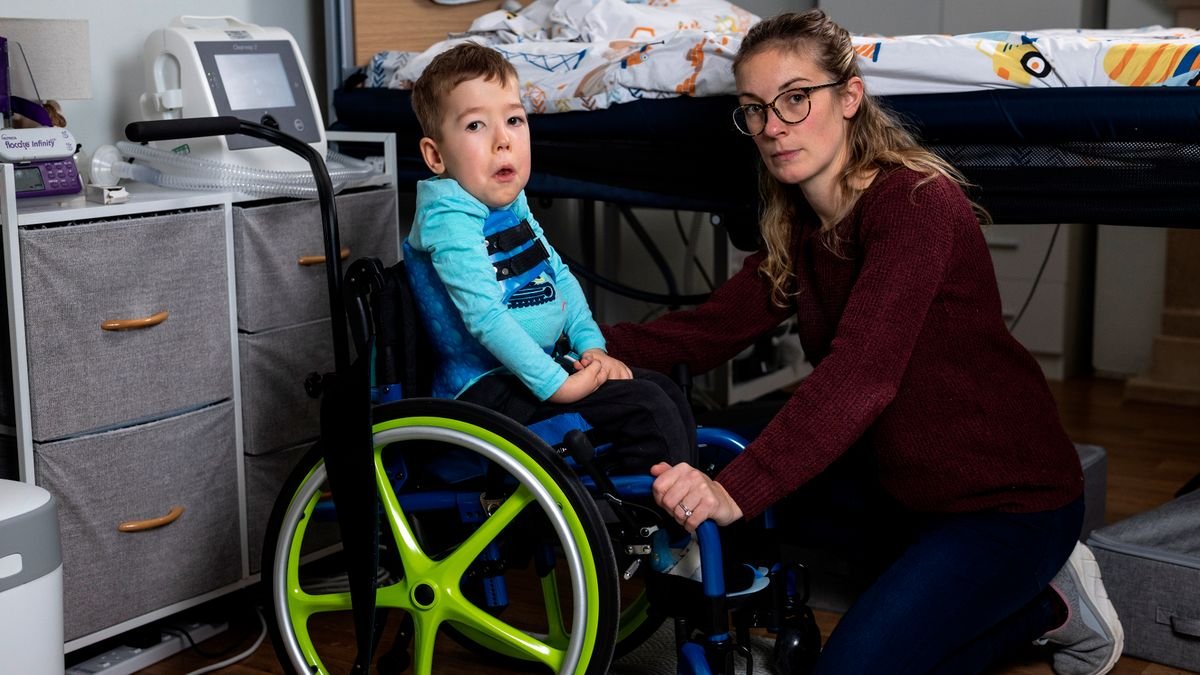

Having a baby can bring unparalleled stress and concern for any parent. However, parents of children diagnosed with spinal muscular atrophy (SMA) commonly share a similar experience. The late diagnosis of SMA, often due to oversight by the NHS, leaves parents burdened with guilt.
Initially, parents leave the hospital with seemingly healthy babies, only to notice concerning signs as time progresses. The child’s movements decrease, breathing becomes more challenging, and feeding poses difficulties.
Despite voicing their worries to healthcare professionals, parents receive reassurances that everything is fine. As the babies continue to struggle and lose weight, some end up back in the hospital, even in intensive care for common infections.
Unfortunately, the NHS often overlooks the evident symptoms of SMA, such as lack of movement and breathing issues, leading parents to research symptoms online and self-diagnose their children. Subsequently, panicked parents inform healthcare providers of the suspected diagnosis, which is then confirmed through a blood test, albeit too late to prevent irreversible damage.
Upon confirmation, parents learn that their baby has an inherited genetic anomaly in the SMN1 gene, responsible for producing a protein vital for nerve cell health. Without this protein, motor neurons deteriorate, causing muscle wasting.
The affected baby receives one of three available transformative treatments through the NHS promptly, either correcting the faulty gene or supplying a replacement protein to halt further muscle degeneration, ultimately saving their life.
Despite the life-saving treatment, parents are left grappling with the knowledge that earlier intervention could have allowed their child a more normal life, devoid of severe disabilities.
The lack of timely screening for SMA in newborns by the NHS places a heavy burden on parents, who have diligently raised concerns only to be dismissed, highlighting a critical flaw in the healthcare system’s awareness of the condition.
The SMA community, known for its solidarity, offers unwavering support to affected families, who find hope amidst the challenges. Treated children can attend school, form friendships, and bring joy, maintaining cognitive abilities akin to their peers.
While the future remains uncertain for these children due to the recent nature of treatments, they represent the first generation with SMA who may survive into adulthood. Their voices, alongside those of supportive parents, will shed light on the delayed implementation of SMA screening in the UK, potentially exposing it as a national scandal.
Health Secretary Wes Streeting now pushes for SMA screening to be included in the NHS heel prick test to enable early detection, aligning with standard practice in most developed countries.
When SMA screening becomes routine, credit will be due to the relentless efforts of SMA parents who fought to prevent others from enduring the same injustices they faced.
Martin, a seasoned journalist at the Mirror, specializes in health and science reporting. With a decade of experience covering medical advancements globally, including the ongoing Covid-19 pandemic and NHS scrutiny, Martin spearheads various Mirror campaigns advocating for healthcare reforms and societal well-being.