

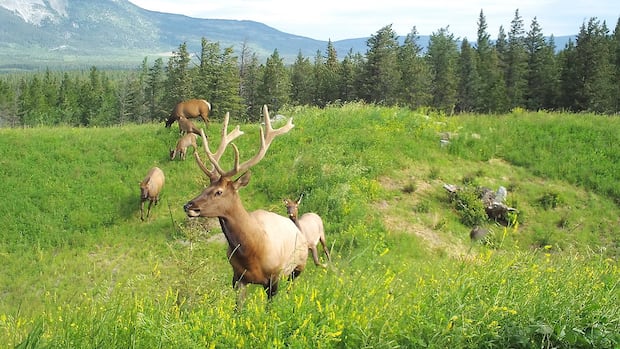

Imagine if wolves, elk, and various wildlife could traverse protected areas stretching from Yellowstone National Park in the United States to Yukon in Canada. A groundbreaking initiative aimed at establishing a vast 3,400-kilometre habitat corridor has been selected as the first Canadian contender for Prince William’s annual environmental awards.
The Yellowstone to Yukon Conservation Initiative (Y2Y) has been named one of three finalists revealed today in the Protect & Restore Nature category of the 2026 Earthshot Prizes. In total, 15 finalists were announced across five categories, with winners in each category set to receive £1 million ($1.9 million Cdn) during a ceremony in Mumbai this November.
The Earthshot Prize recognized Y2Y as “one of the most significant conservation collaborations ever, reconnecting a vast mountain ecosystem across Canada and the U.S. to enable wildlife to move freely as they have for thousands of years.”
This corridor supports large mammals including wolves, grizzly bears, wolverines, and the endangered mountain caribou. It currently comprises 25 million hectares of protected land, an expanse slightly greater than that of the United Kingdom.
Y2Y was launched as a collaborative initiative between the U.S. and Canada in 1993, spearheaded by a U.S. non-profit organization and a Canadian charity (the Canadian organization has been designated as the Earth Prize finalist).
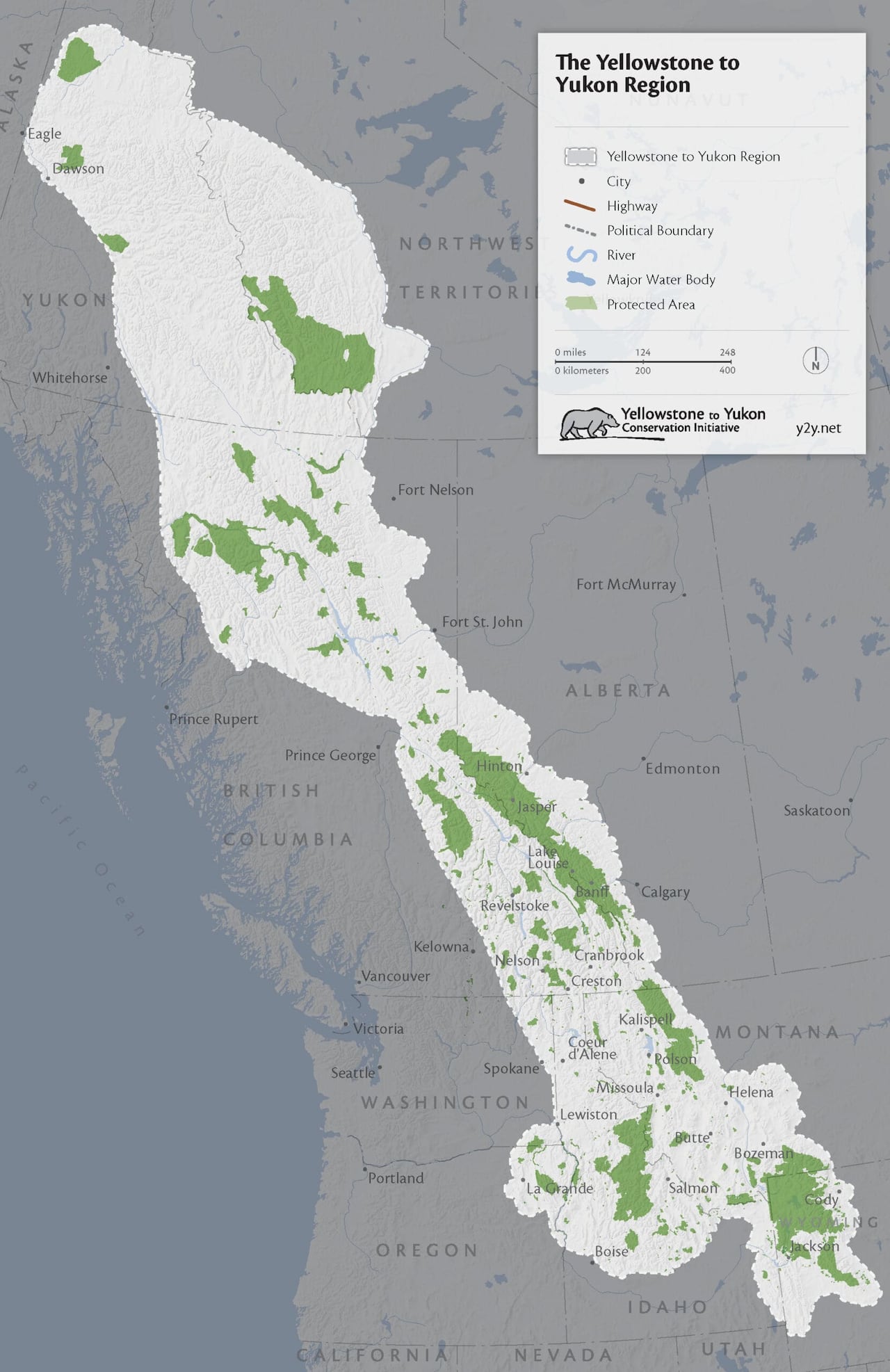
This map illustrates the regions that the Yellowstone to Yukon Conservation Initiative aims to safeguard, along with areas that are already protected. (Yellowstone to Yukon Conservation Initiative)
Inspired by a wolf named Pluie
The concept for this project was influenced by the tracking data of a wolf named Pluie, who was equipped with a satellite collar near Banff National Park in 1991. Over a span of two years, she traversed over 100,000 square kilometres across three U.S. states, two Canadian provinces, and three national parks.
Jodi Hilty, president and chief scientist of the initiative, noted that conservationists began to understand that while protected areas are vital, “they are not enough. If we wish to sustain species like Pluie the wolf, we must consider the ecological scale required by nature.”
Climate migration route
Conservationists were aware that, due to climate change and rising temperatures, animals (and plants) would need to migrate northward and to higher elevations — and they would do so if they had the opportunity. The challenge was that many species were confined to isolated and fragmented habitats.
Hilty emphasized, “Our efforts aim to address that challenge.”
Over the past 30 years, Y2Y has made strides by increasing the proportion of protected areas within the corridor from nine percent to nearly 18 percent, collaborating with 800 partners, including governments, Indigenous nations, private landowners, and scientists. Additionally, it has facilitated the construction of over 200 wildlife crossings and partnered with Indigenous groups in B.C. to revitalize the Klinse-Za caribou herd from the brink of extinction.

Scientists from across the nation have convened in Banff to discuss the importance of safeguarding wildlife corridors and how Canadians can support these initiatives locally.
Hilty pointed out that the initiative has also benefited humans, providing more parkland for recreation and decreasing vehicle collisions thanks to the wildlife crossings. Additionally, protected areas have been proven to sequester significant amounts of carbon and maintain clean water in the region.
There are numerous other protected regions and crossings currently in development under the initiative.
What could the money do?
Hilty acknowledged that even if the initiative triumphs over other finalists from Australia and Bhutan to secure the $1.9-million Earthshot Prize, the funds are unlikely to stretch far — a single wildlife overpass or underpass can reach costs of up to $20 million.
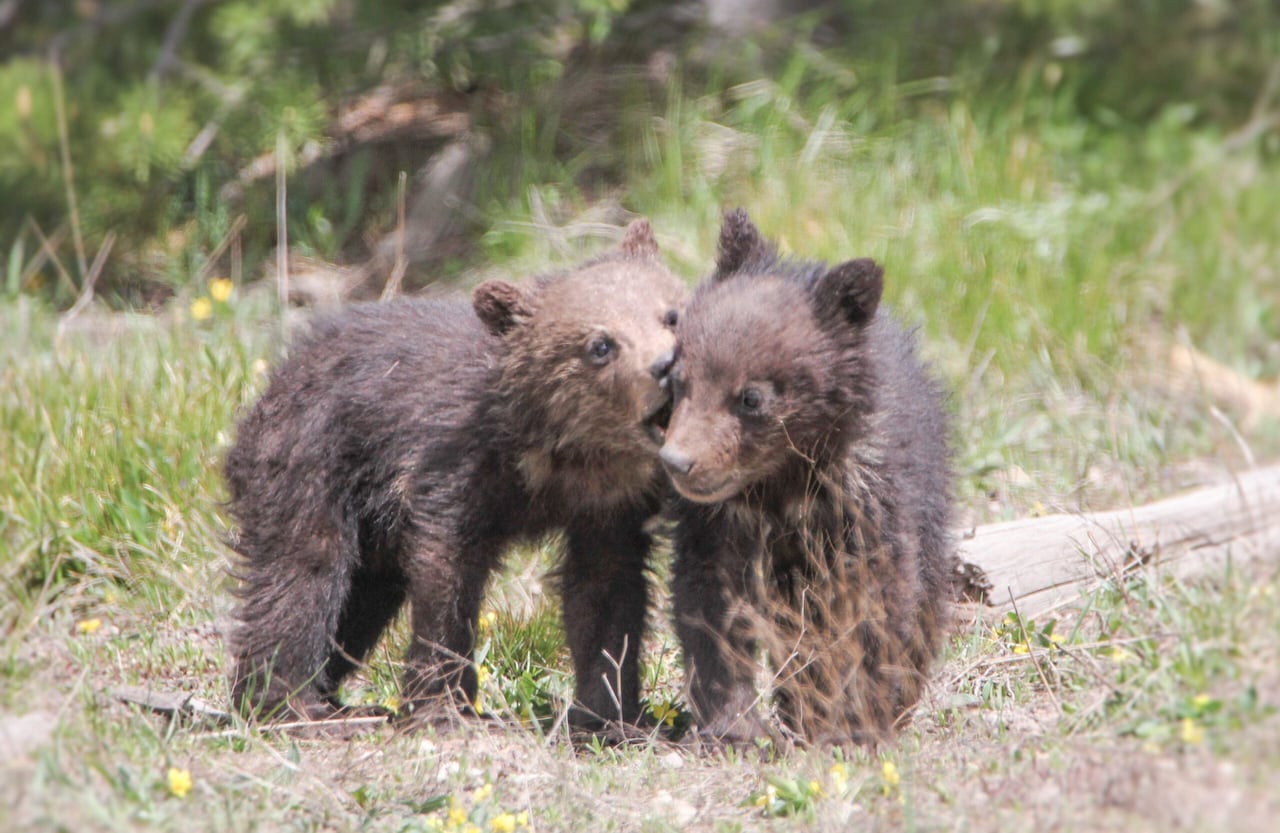
Grizzly bears are among the large animals that require extensive connected habitats. (Eric Johnston)
Nevertheless, she stated that being recognized by the Earthshot team can amplify the initiative’s narrative, motivate additional individuals to join the cause, and connect them with worldwide resources and organizations facing similar challenges, including previous winners from regions like the Amazon rainforest.
“We share many commonalities,” Hilty remarked. “The foundational issues remain consistent: habitat destruction, habitat fragmentation, and difficulties in coexisting with challenging wildlife, among others.”
The Earthshot Prize has been presented annually since 2021 across five categories: Protect & Restore Nature; Clean Our Air; Revive Our Oceans; Build a Waste-free World; and Fix Our Climate.
Its mission is to promote innovation aimed at combating climate change and addressing environmental issues. The award is anticipated to continue until 2030.