

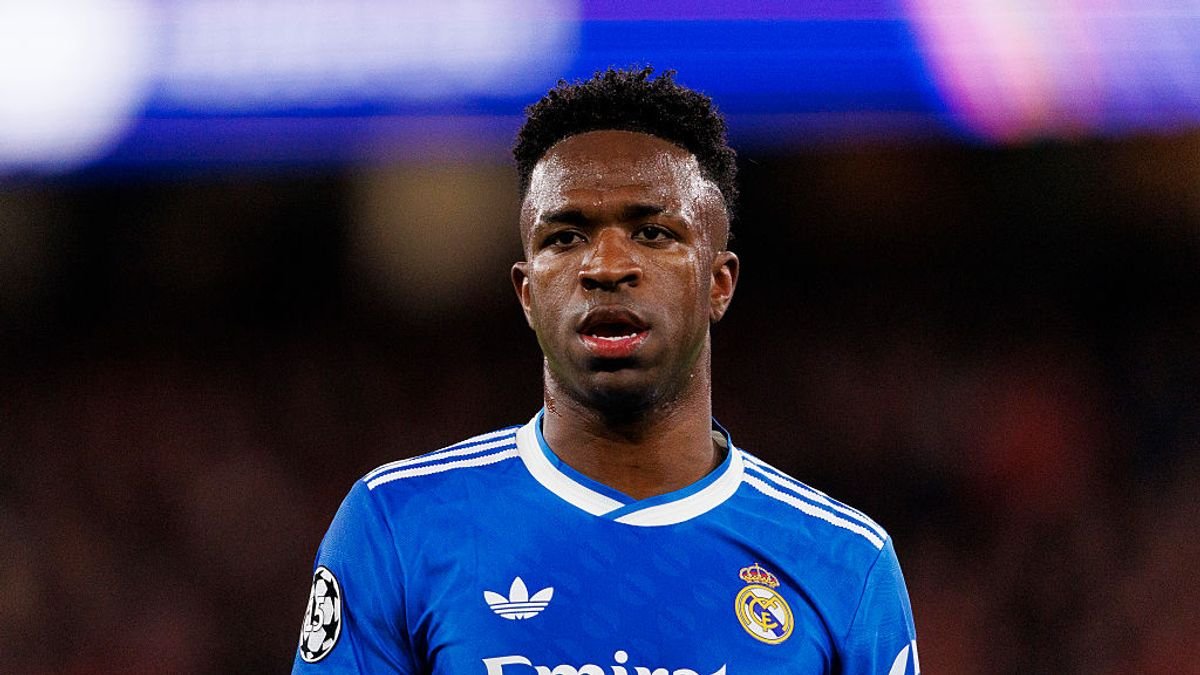

Tomorrow, a Brazilian player named Vinicius Junior is poised to participate in the prestigious Champions League for Real Madrid, a top European club. The upcoming match will see Real Madrid facing off against Benfica, a Portuguese team, in the second leg of a two-game knockout stage. Vinicius had previously alleged that he was subjected to racial abuse by Benfica player Gianluca Prestianni during their last encounter.
Prestianni has refuted the accusation, but UEFA, the governing body of European football, remains skeptical and has suspended him for the upcoming game based on testimony from Vinicius’ teammate, French star Kylian Mbappe.
Vinicius has been vocal about racial abuse incidents he has faced as a Real Madrid player, having encountered little support from referees and officials outside his club. Consequently, he has taken it upon himself to address the issue. Recognized as a hero, Vinicius is challenging the prevailing complacency towards racism in football and stands out as a prominent figure in the fight against discrimination.
Despite criticisms from various quarters, including players, managers, officials, and media in Spain, Vinicius remains resolute in his stance. He has faced backlash for his actions, with some attempting to undermine his claims and discredit his efforts. Even Benfica and their manager, former Chelsea head coach Jose Mourinho, have cast doubts on Vinicius’ allegations, sparking widespread outrage.
Nevertheless, Vinicius has gathered evidence against recent perpetrators of racial abuse in Spain, prompting legal action. Despite the emotional toll of his campaign against discrimination, he remains steadfast and resolute. His actions have sparked discussions among players in England about taking similar stands against racism in football.
The football industry has witnessed a wave of condemnation following these events, highlighting the pervasive issue of racism in the sport. While some argue that racism is a societal problem, the industry’s failure to address it effectively has drawn criticism. Players often face pressure not to speak out, and their concerns are often dismissed once their careers end. Vinicius’ unwavering commitment to the cause has resonated with many, signaling a potential shift in how racism is addressed in football.