

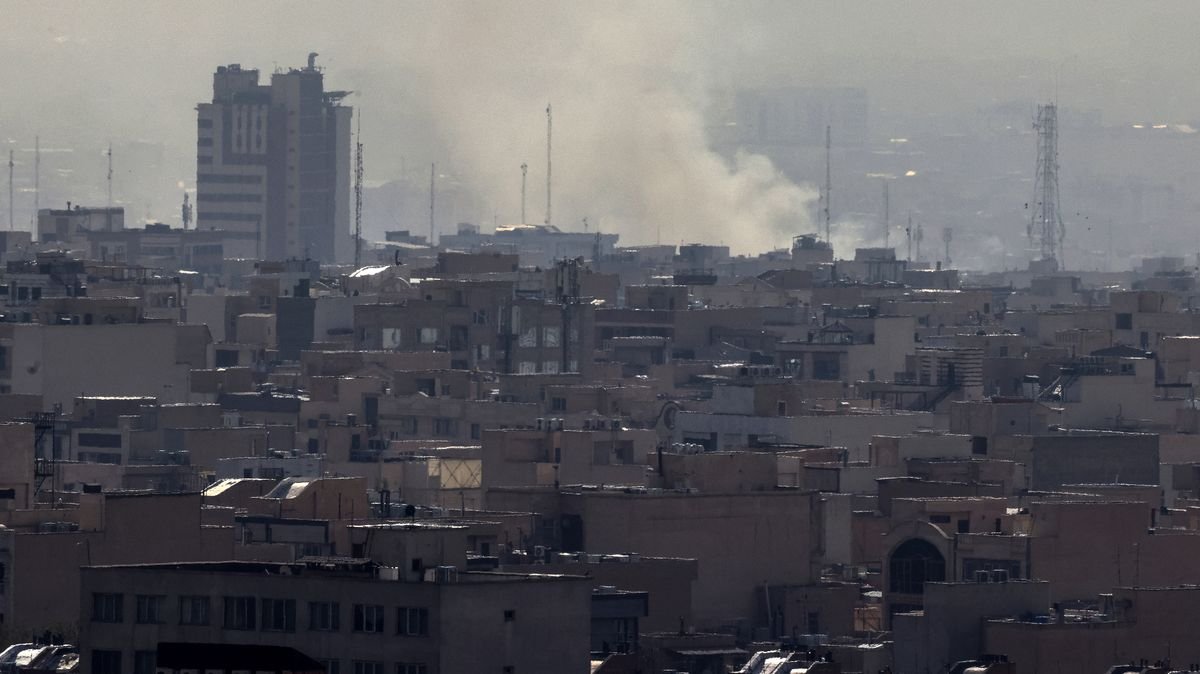

In a significant move, the formidable military capabilities of the United States and Israel have been unleashed against Iran, potentially reshaping the dynamics of the Middle East with far-reaching consequences. The meticulous planning by military strategists in the Pentagon and Tel Aviv for years is now manifesting in a widespread deployment of violence in the region, sparking debates that are likely to echo for decades.
The aftermath of this military escalation holds crucial importance, as it may usher in an era of terrorism extending well beyond the Middle East, targeting the Western world. The potential defection of leaders from Iran’s Islamic Revolutionary Guard Corps or the emergence of insurgencies within the country post-regime change could have ripple effects, impacting not only Iran but also its allies like Hezbollah in Lebanon, potentially triggering global terror networks.
The expansive reach of these networks spans continents, from South America to Europe and the UK. While the current focus is on Iran, the repercussions could extend further, reminiscent of the events in Iraq in 2003, which led to regime change but also unleashed prolonged violence and instability, culminating in the rise of groups like the Islamic State.
The management of the Iran situation in the coming months will be critical, as the mistakes made in Iraq must be avoided. The global implications are immense, highlighting the challenge of eradicating extremist ideologies deeply rooted in terror networks. Even for countries like the UK with robust intelligence and counter-terrorism measures, the threat remains tangible.
The current scenario paints a picture of escalating tensions, with Tehran under attack, Israeli forces on high alert, and a flurry of military activities in the region. The deployment of advanced warplanes and naval assets underscores the strategic intent to alter the Iranian regime, a move that could have profound and enduring effects on the geopolitical landscape.
Reports suggest that the US-Israeli offensive involved coordinated air and sea strikes, showcasing the formidable firepower at their disposal. With the USS Abraham Lincoln and USS Gerald R Ford carrier strike groups in action, the region is bracing for potential retaliatory strikes, intensifying the already volatile situation.
As Iran’s leadership evacuates the capital and military leaders seek refuge, the repercussions of this attack are poised to reverberate across the region, potentially reshaping alliances and power dynamics in unforeseen ways. The unfolding events mark the beginning of a new chapter with lasting consequences that will shape the region for years to come.