


Two years ago, in Munich, Yulia Navalny tragically announced the death of her husband, Alexei Navalny, caused by the Russian government. Today, we have uncovered the brutal circumstances of his demise in a Russian prison. Tests have revealed the presence of a lethal toxin, epibatidine, from Ecuador dart frogs in Alexei Navalny’s body, likely leading to his death.
Evidence suggests that the Russian state had the means, motive, and opportunity to use this deadly toxin against Navalny while he was incarcerated. Along with other nations’ investigations, we attribute responsibility for his death to Russia.
This incident is just one part of a broader trend of malicious behavior that poses a growing threat to European security, extending even to British territories. Russia’s aggression ranges from attacking innocent civilians in Ukraine to spreading hybrid threats throughout Europe and beyond.
Following the Cold War, there were hopes for peaceful cooperation between the UK and Russia. However, those aspirations have been shattered, and we must now be prepared to address Russian aggression, including cyber-attacks, disinformation campaigns, and attempts to undermine democracy.
The UK is taking a firm stance against Russia’s unacceptable conduct. Through legal actions under the National Security Act, we have thwarted Russian-linked proxies. Sanctions have been imposed on the GRU, Russia’s military intelligence agency, and efforts have been made to limit Russia’s intelligence operations in Europe. Measures have been taken to disrupt Russia’s financial support for the conflict in Ukraine by targeting its shadow fleet vessels.
Our greatest strength lies in our unity. Collaborations with international partners, such as NATO, bolster our domestic resilience. At the Munich Security Conference, we have been working with allies on a coordinated plan of action, echoing the Prime Minister’s directives. While Russia aims to divide us, its actions only serve to unite our resolve.
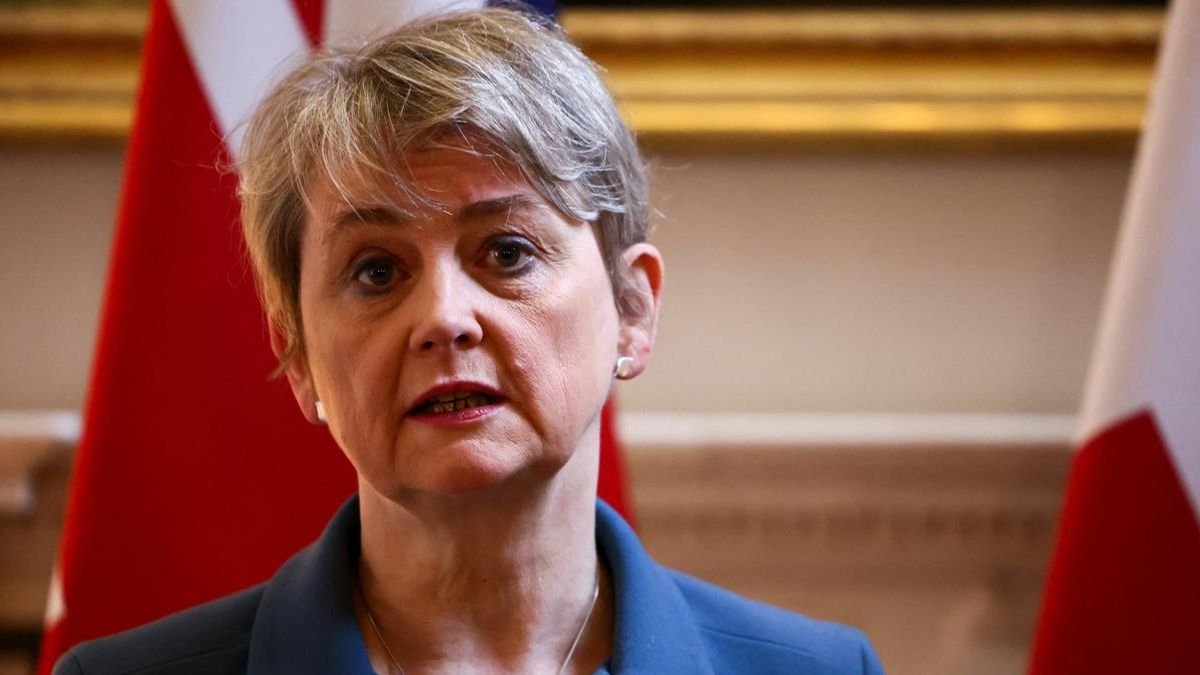
Yvette Cooper, serving as the UK’s Foreign Secretary, has held various significant positions in government. She has been actively engaged in addressing the challenges posed by Russia and advocating for collective action against its aggressive behavior.