

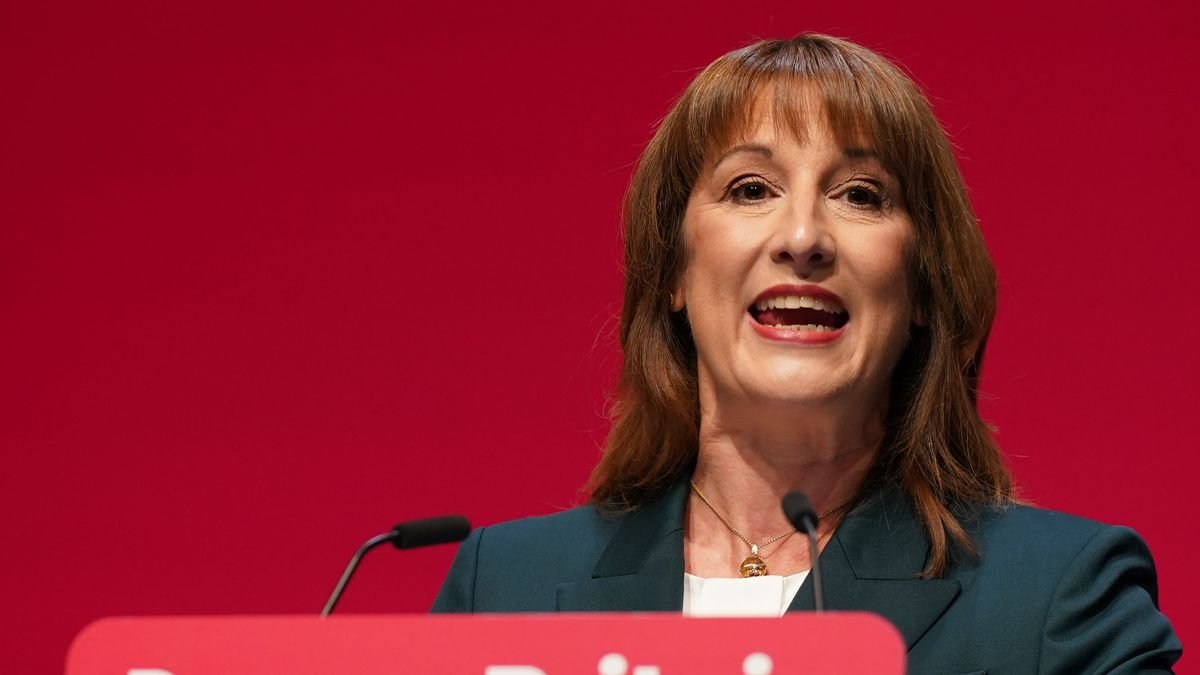

The current financial crisis has sparked intense speculation regarding potential tax increases in the upcoming Budget. Despite previous pledges in the Labour party’s election manifesto not to raise taxes on working individuals, there are indications that VAT might be on the table for reconsideration. Chancellor Rachel Reeves has suggested a shift in stance due to changing circumstances, leading to rumors about a possible policy reversal.
Although there have been discussions about a VAT increase, recent reports suggest that it may not materialize. Value Added Tax (VAT) is a significant revenue source for the government, projected to generate £180.4 billion this year, contributing substantially to overall tax income. Adjusting the standard 20% rate to 21% could potentially yield £8.8 billion, while a similar adjustment to the reduced 5% rate might bring in around £490 million.
VAT is applied to almost half of all goods and services, with a standard rate of 20% and a reduced rate of 5% for specific items like household energy bills and children’s car seats. The UK now has the autonomy to set its VAT rate post-Brexit, previously restricted within the 15% to 25% range during EU membership.
Although VAT is exempted on certain essentials like food, discussions have emerged regarding potential changes to VAT application on private healthcare services and unhealthy foods. Experts have also proposed lowering the VAT registration threshold for small businesses, potentially impacting their pricing and administrative burden.
As decisions regarding VAT adjustments unfold, considerations are being made to balance revenue needs with potential impacts on consumers and businesses. The evolving VAT landscape underscores the challenges faced by the government in navigating fiscal policies during these uncertain times.