

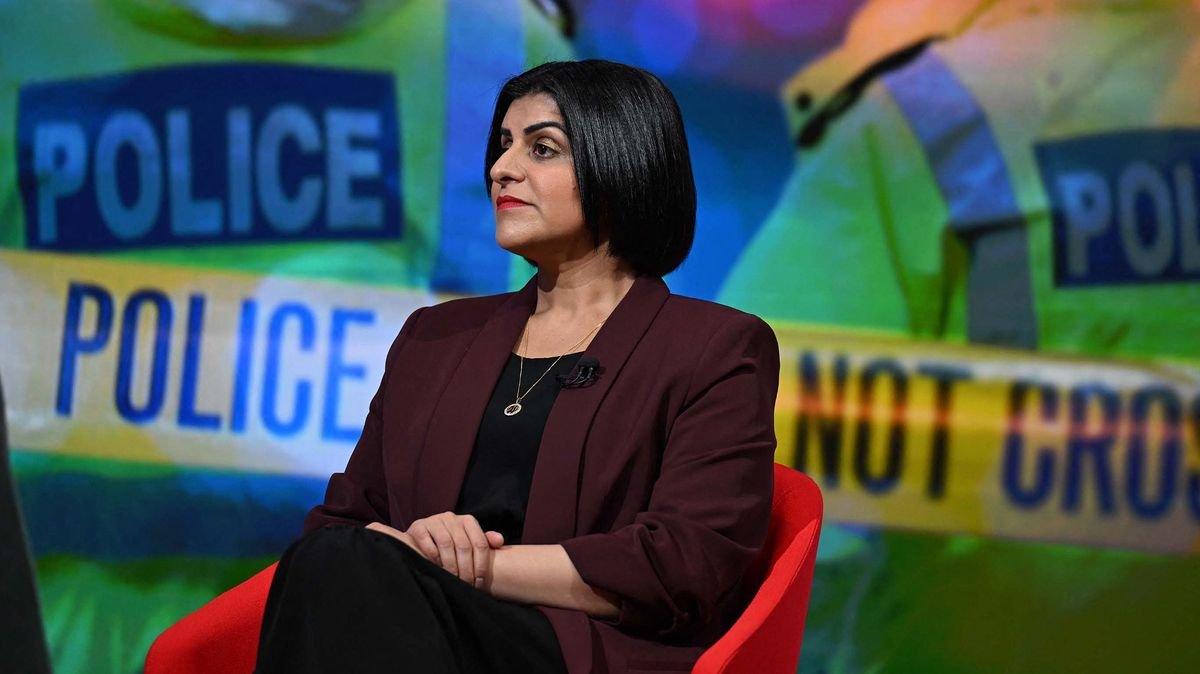

Labour’s success in maintaining power hinges on Shabana Mahmood’s performance. The Home Secretary is under significant pressure, with Keir Starmer placing high expectations on her. Swift action has been a hallmark of Mahmood’s tenure since assuming office in September. Notably, she has already proposed controversial revisions to the UK’s asylum and migration policies. Her current focus is on reforming the policing system, which she believes is outdated.
Given the challenging polling outlook and the Home Office’s influence on voter sentiments, Mahmood is pursuing substantial changes rather than incremental adjustments. During a recent session in the Commons, she unveiled what was dubbed as the most significant overhaul of British policing in two centuries. Insiders even likened the scale of her reforms to Sir Robert Peel’s establishment of the Met Police in 1829.
The proposed changes include the creation of a ‘British FBI,’ widespread adoption of AI technology, mandatory response times, and a reduction in the number of police forces. Mahmood emphasized that these reforms represent a monumental shift in policing structure, standards, and public accountability, marking the most significant transformation in policing practices in around 200 years.
The government argues that the current policing setup is outdated, with many skilled officers relegated to non-operational roles. If Labour effectively implements these changes, it could have a transformative impact. Addressing issues like anti-social behavior, attributed by ministers to the decline in neighborhood policing under the Tories, requires visible and proactive law enforcement actions.
The move towards consolidating police forces has been met with approval from the National Police Chiefs Council (NPCC). The NPCC has long advocated for fewer, larger police forces to enhance efficiency and technology deployment. Chairman Gavin Stephens highlighted the importance of centralizing decision-making to facilitate the rapid adoption of advanced technologies across law enforcement agencies.
By embarking on these reforms, Mahmood is taking a proactive stance to address public expectations for more effective and modern policing practices.