

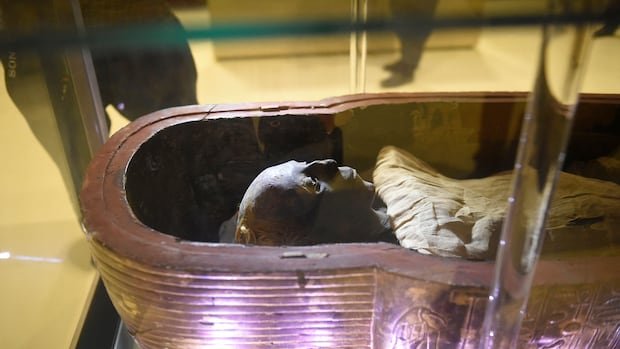

A recent study reveals an unexpected trend in the online market – the sale of preserved human remains. Although this niche hobby may seem unconventional, researchers warn of potential health risks associated with handling such items improperly.
Lead author Kirsty Squires and her team examined 128 online posts showcasing human and animal remains for sale between 2015 and 2025. Mummified body parts, including heads, hands, and feet, were commonly advertised, posing a concern due to the presence of dormant microorganisms like bacteria and fungi that could lead to health issues if not handled correctly.
Squires emphasized the importance of proper storage conditions to prevent deterioration of remains, noting that controlled environmental settings in museums contrast with the unregulated conditions in private collections. Handling mummified remains without precautions could release harmful airborne microorganisms, potentially affecting individuals with compromised immune systems.
Furthermore, traces of toxic chemicals, such as arsenic and mercury from historical embalming fluids, have been found on some mummified body parts, adding another layer of risk. While the study did not report any specific cases of illness from handling these remains, historical incidents like the deaths of conservation scientists in 1973 due to inhaling mould spores highlight the potential dangers.
Despite differing opinions on the actual health risks involved, there is a growing concern over the ethical implications of trading human remains online. In Canada, where 11 online posts were identified in the study, the issue is exacerbated by a lack of meaningful regulations surrounding the sale and purchase of human remains.
Calls for stricter legislation, akin to the proposed ban on the online sale of human remains in the UK, are gaining traction. Experts advocate for a more stringent approach to curb the commodification of human remains, emphasizing the need to respect the dignity of the deceased and prevent the exploitation of cultural artifacts for profit.