

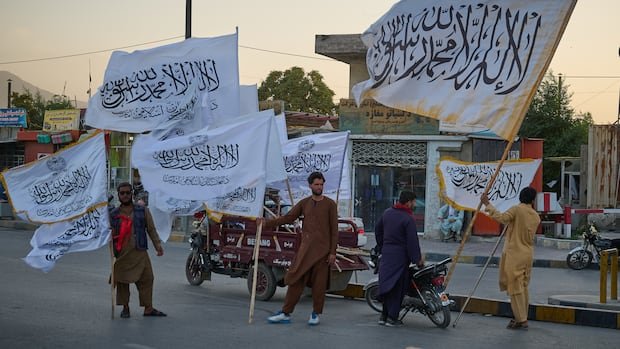

Abdul Razaq Khan, a former translator and guide for Canadian media during the Afghan conflict, was contacted late at night by a journalist he had assisted in Kandahar. At that time, he was residing in Kabul, having transitioned to a position at the American aid agency USAID post the Canadian departure from Afghanistan.
In the summer of 2021, as the Taliban made advances towards Kabul, Khan received a worrying text message inquiring about his safety. Reflecting on the tumultuous events, Khan expressed his disbelief and distress over losing his job, home, and country.
Now, five years later and resettled in Canada, Khan continues to grapple with the abrupt downfall of the western-supported government in Afghanistan. He emphasizes the emotional turmoil of leaving his homeland, stating that such a decision is never made joyfully.
Escaping on foot just ahead of Taliban forces crossing into Pakistan, Khan’s association with Canadian media had made him a marked target. This predicament was shared by numerous Afghans who had collaborated with journalists, as well as western military and diplomatic missions.
Following the Taliban’s overtaking of Afghanistan, the oppressive regime’s resurgence has not only displaced hundreds of thousands but has also led to the systemic marginalization of women, stifling of free speech, and the imposition of strict moral codes through a specialized ministry.
The Zan Times, a women’s advocacy group in Afghanistan, has highlighted the escalating violence against women in the region and the lack of justice. Their recent report revealed the alarming rate of impunity surrounding crimes against women, with many cases wrongly labeled as suicides, deterring accountability.
Post the 2021 collapse, western nations have struggled to safeguard women’s rights directly within Afghanistan. Despite diplomatic condemnations and targeted sanctions, the situation remains precarious for Afghan women.
Various countries have initiated humanitarian visa programs and resettlement schemes to evacuate and protect vulnerable Afghan women in high-risk positions like judges, activists, journalists, and politicians. However, these efforts have faced challenges and shortcomings, as highlighted by reports from organizations like Local Staff International and AfghanEvac.
Canada, for instance, successfully resettled over 60,000 Afghans, predominantly interpreters and their families, after the Taliban’s takeover in August 2021. While commendable, there are still many at-risk individuals under the Taliban’s oppressive rule, urging the need for further actions to fulfill commitments made during the Afghan conflict.
The Allied Ledger report has emerged as a critical evaluation of nations’ adherence to their promises and responsibilities towards those who supported American and NATO forces in Afghanistan. The report underscores the ongoing obligations and challenges faced in ensuring the safety and well-being of vulnerable individuals affected by the conflict.