

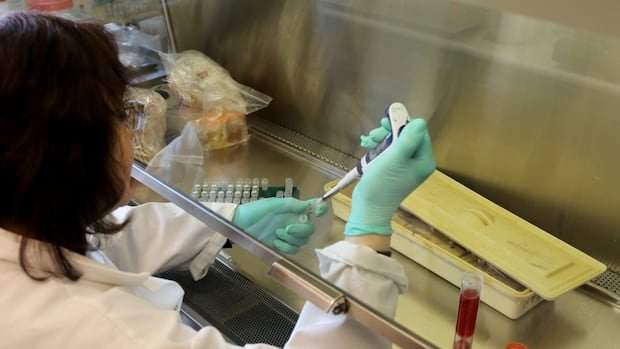

Canada’s initiative to construct a $267 million medical countermeasures lab in Winnipeg is seen as a crucial move in preparing for future pandemics. However, experts highlight significant challenges ahead, including securing sustainable funding, staffing, and governance for the facility.
Recently, the federal government awarded a $10.2 million design contract for the lab, expected to be operational by 2033 adjacent to Winnipeg’s National Microbiology Laboratory (NML). While the new facility aims to fill a critical gap in testing early-stage vaccines and therapeutics, health researchers emphasize the importance of long-term investments in skilled personnel to ensure its success.
Dr. Joanne Liu, a professor at McGill University and former Médecins Sans Frontières international president, stressed the need for a robust workforce alongside the infrastructure. The lab’s focus on preclinical trials, including lab and animal testing, is set to enhance Canada’s research and development capabilities, providing a dedicated space for testing potential vaccines before advancing to clinical trials.
Concerns over limited space at the NML for preclinical testing further underscore the necessity of the new lab. Collaboration with industry and academic partners is envisioned, with appropriate agreements and screenings in place. The lack of local cleanrooms for producing test batches has hindered Canadian researchers in advancing vaccine discoveries into early human safety trials.
Gary Kobinger, a former NML scientist, emphasized the importance of long-term stability for the project’s success, urging sustained funding over the next decade. McGill’s Liu echoed this sentiment, noting the need for consistent investment in pandemic research beyond crisis periods.
However, concerns arise regarding the governance of the lab, with warnings against potential red tape and funding issues if solely government-managed. Past experiences, such as the development of the Ebola vaccine amidst funding challenges, serve as cautionary tales. The necessity of effective governance and operational efficiency is highlighted, drawing attention to the importance of learning from past mistakes in managing similar projects.
Despite challenges, the Public Health Agency of Canada (PHAC) remains committed to strengthening Canada’s medical countermeasures capacity, emphasizing ongoing funding for preclinical research and talent development. The agency’s efforts to bridge research and development with private industry through Health Emergency Readiness Canada are noted as steps towards enhancing collaboration and innovation in the sector.
In conclusion, while the establishment of the medical countermeasures lab represents a significant advancement in Canada’s pandemic preparedness, addressing funding, staffing, and governance issues will be crucial for its long-term success and effectiveness in combating future health threats.