

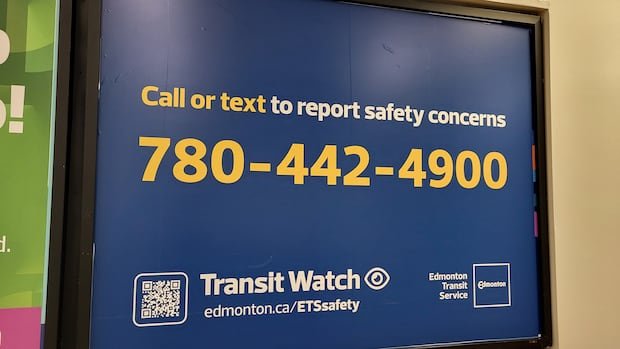

In the early hours of Monday, March 2, a passenger on the Edmonton transit system was physically attacked while passing through Churchill Station en route to the Valley Line LRT. The assaulted rider later informed Transit Watch, the safety reporting line of Edmonton Transit Services, that they had been struck in the face. The rider explained that the reason for not reporting the incident immediately was the immediate desire to leave the location and return home.
On the same day, Transit Watch received multiple reports from riders concerning harassment, drug use in public, drug transactions, setting fires at bus stops, and individuals brandishing flame lighters within transit facilities. Despite the City of Edmonton’s ongoing efforts to enhance public transit safety by increasing the presence of peace officers and police, expanding outreach teams, and investing more in cleaning and security enhancements, text messages sent to the safety reporting line in the preceding month indicated persistent safety concerns among riders.
Recent text message records obtained by CBC News through a request under the Access to Information Act revealed a stream of reports submitted daily from various areas across the city. Many of these reports highlighted worries about drug use and smoking at LRT stations, bus stops, and pedestrian walkways. Incidents mentioned in the messages included sightings of people consuming meth, crack, and fentanyl on transit premises, as well as instances of verbal abuse, drug deals, drug paraphernalia discoveries, public urination, and disruptive behavior.
One rider recounted an unsettling experience of finding a used condom in a ticket machine at Davies Transit Centre, expressing concern over the safety implications of such a discovery. Other texts detailed grim incidents like blood pools at transit stations, fires ignited within transit spaces, broken glass, physical altercations, and threats of violence.
Katarina Hamilton, a frequent transit user, shared her routine communication with Transit Watch, reporting incidents like individuals obstructing entrances and starting fires, particularly during late evening hours. Hamilton recalled a past incident where she witnessed a violent altercation involving weapons at Central Station, prompting her to contact both Transit Watch and the police out of concern for her safety and that of nearby children.
Despite Edmonton Transit Service conducting annual rider surveys on safety perceptions, revealing a consistent 61% of riders feeling safe during their last transit trip in 2025, efforts to shift these perceptions swiftly face challenges. Carrie Hotton-MacDonald, the branch manager of ETS, emphasized the complexity of factors influencing riders’ safety perceptions and noted an increase in texts to Transit Watch during colder months, alongside a rise in ridership and safety line promotion.
Data from the Edmonton Police Service indicated a rise in the number of calls to respond to violent incidents at LRT and transit centers from 292 in 2024 to 307 in 2025. However, current year reports have shown a decrease compared to the previous year. ETS is implementing various strategies to enhance rider safety, such as augmenting peace officers and community outreach teams, providing cellular connectivity in LRT tunnels, conducting more rider engagement, offering travel training support, and enhancing station infrastructure.
City councilor Anne Stevenson highlighted the city’s focus on transit safety, mentioning initiatives like pop-up events by the Edmonton Arts Council to enliven downtown LRT stations and plans to introduce safety attendants. While challenges persist due to unaddressed root causes of social disorder, initiatives like increased funding for housing and drug treatment support have been welcomed as positive steps towards addressing underlying issues.
Discussions with local officials also shed light on the broader issue of public transit safety and the need for sustained support and collaboration at provincial and federal levels to effectively tackle challenges related to drug use, crime prevention, and rider security. The importance of continuous efforts and long-term commitments to ensuring a safe and secure public transit environment was emphasized by experts in the field.