

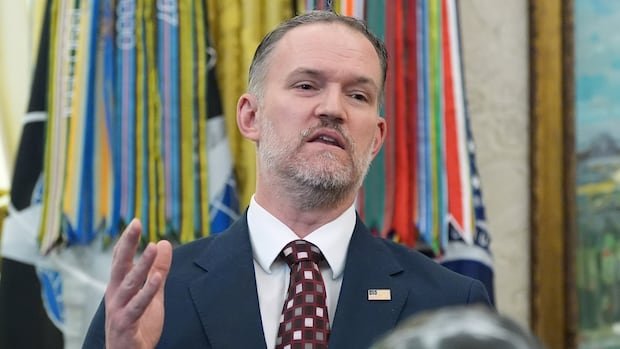

U.S. Trade Representative Jamieson Greer disclosed that both President Donald Trump and Prime Minister Mark Carney will receive “options” after the trade discussions between Canadian and U.S. trade officials on Thursday. Greer highlighted that the negotiations progress was positive based on the discussions held. He mentioned that further conversations would be held with the president and that Canadian officials would engage with the prime minister.
Following the meeting, Canada-U.S. Trade Minister Dominic LeBlanc affirmed his commitment to fulfilling the expectations of Canadians. He did not specify the exact number of upcoming meetings with Greer, emphasizing that they are prepared to have as many meetings as necessary.
LeBlanc is scheduled to update the federal government’s Advisory Committee on Canada-U.S. Economic Relations on the negotiation status. This committee plays a vital role in strategizing Canada’s economic relationship approach with the U.S.
Moreover, LeBlanc will also provide briefings to provinces, as mentioned by Quebec’s envoy for the CUSMA review, Louise Blais. The meeting this afternoon marked the second encounter of the week between Canadian and American trade representatives, with a total of four meetings within three weeks.
The discussions intensified after President Trump’s threat to impose significant duties on numerous Canadian goods, in addition to existing sectoral tariffs. The tariffs are slated to be effective from August 19. Following the meeting, Charette continued discussions with her American counterpart late into the evening.
Recent reports indicated that the U.S. proposed adjustments to sectoral tariffs, albeit not meeting the Canadian side’s desired level. The American side is also seeking preferential access to Canadian critical minerals and coverage on security and energy aspects.
LeBlanc and Greer are working on presenting a potential trade deal path to Trump as early as Monday. However, it was noted that there would be limited political support among Canadians for ongoing talks if the tariffs are implemented on August 19 due to various trade disputes.
The Canadian side is willing to address some of the concerns raised by the U.S., including the removal of U.S. alcohol from provincial store shelves and alleged discrimination against U.S. motor vehicles and dairy products. Industry sources suggest that Canada is open to making concessions in these areas.
Ontario Premier Doug Ford expressed willingness to reintroduce U.S. alcohol on provincial shelves under fair conditions protecting Ontario’s key sectors. Ford emphasized that imposing tariffs on Canada is essentially a tax burden on the American populace.
Ford’s stance on U.S. alcohol bans aligns with Quebec Premier Christine Fréchette’s office, asserting that the ban on U.S. alcohol sales will persist until a mutually acceptable agreement is reached.
The developments in the ongoing trade discussions reflect a significant step towards resolving trade tensions between the U.S. and Canada.