

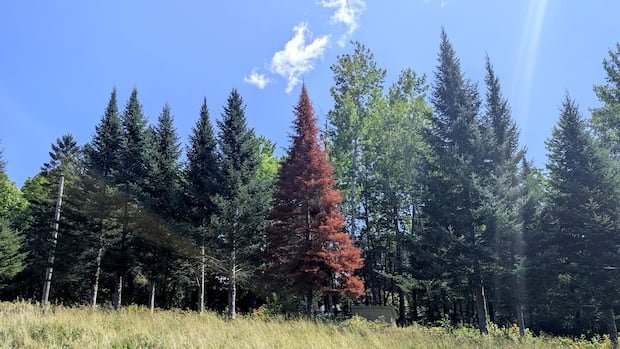

The balsam fir trees in New Brunswick are showing signs of distress as they turn red and wither following the severe drought that occurred last summer, sparking concerns about the fate of these iconic trees.
Prof. Anthony Taylor, a forestry researcher at the University of New Brunswick, has been actively engaging with woodlot owners who have reported the alarming phenomenon. He has personally witnessed the detrimental effects on the vibrant evergreen trees, commonly used as Christmas trees, as they gradually change color, dry up, and succumb to the harsh conditions.
According to Taylor, the observed pattern aligns with previous instances where balsam firs suffered similar consequences after enduring hot and arid summers.
“The warm and dry climate, as seen during the previous year’s drought, significantly hampers the growth potential of balsam fir,” Taylor stated definitively.
Having dedicated years to studying the impact of climate change on New Brunswick’s forests, Taylor has noted comparable balsam fir losses following notably dry and hot summers in 1986 and 2018.
Taylor elucidated that the trees respond to drought conditions by prematurely halting the photosynthesis process, stunting their growth potential.
“Consequently, they cease to produce the essential energy reserves required for basic metabolic functions and the production of defense compounds,” he explained.
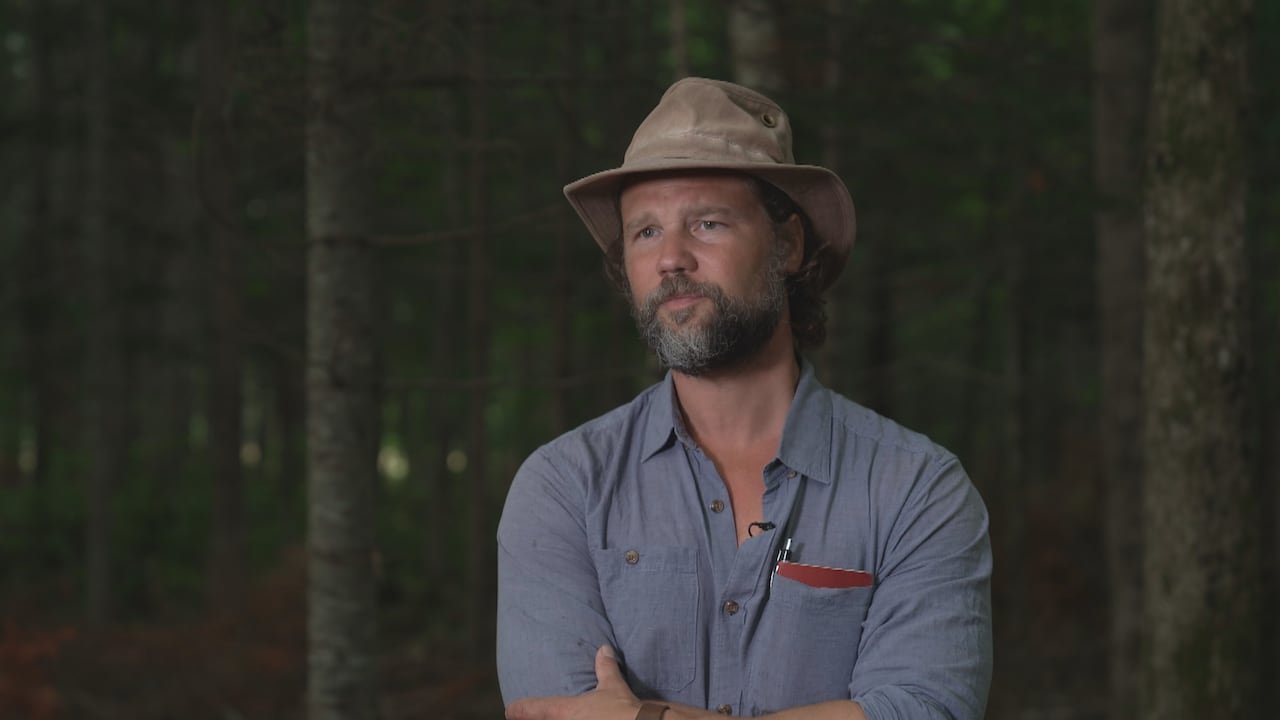
Taylor underscored the vulnerability of the trees, emphasizing that stressors like insects or pathogens heighten the risk of die-off when the trees lack the necessary reserves to combat these challenges.
“Under normal circumstances, a healthy fir could cope, but when predisposed to vulnerabilities due to inadequate growth and reserves, their chances of survival diminish,” Taylor elaborated.
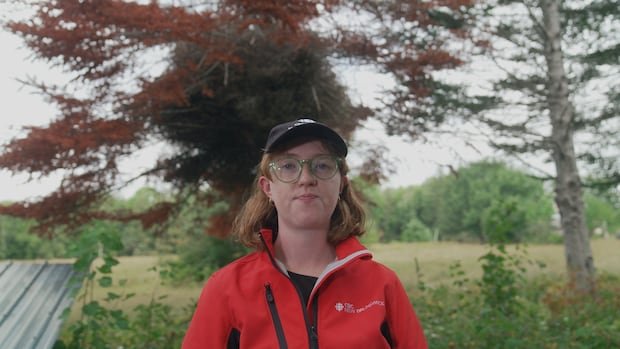
Last summer’s record-breaking drought is having a negative impact on New Brunswick’s