


A recent study has delved into the impacts of global warming on wildfires and permafrost thaw, revealing an escalation in greenhouse gas emissions, hastening climate change beyond current estimates. This phenomenon, known as climate feedback loops, could potentially amplify warming by 20 to 30 percent in this century, as indicated by researchers from various U.S. institutions.
According to Ben Poulter, a program director at Spark Climate Solutions and co-author of the study, the existing carbon budget may be smaller than previously assumed, emphasizing the need to consider these feedback mechanisms in climate policies.
The study, published in Environmental Research Letters, sheds light on the significance of warming-induced emissions, particularly in Canada, which hosts a substantial portion of these emissions. As Canada warms at a faster rate than the global average, projections suggest a potential five-degree temperature increase by the end of the century, resulting in significant societal and environmental transformations.
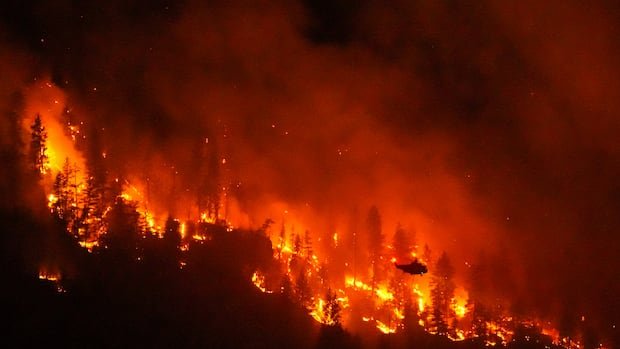
Notably, Canada’s role in contributing to global climate change through local processes is underscored in the study, with past extreme weather events exemplifying the impact of such feedback loops. For instance, the unprecedented wildfires in 2023 released a billion tonnes of carbon, ranking them as a significant global emitter if considered a country.
The ongoing permafrost thaw, attributed to rising Arctic temperatures from global warming, is now accompanied by abrupt thawing events triggered by extreme weather conditions like wildfires and heavy rainfall. These abrupt thaws, occurring in localized areas, have the potential to release substantial amounts of carbon previously sequestered in the soil, intensifying greenhouse gas emissions.
Furthermore, wetlands across Canada are identified as a significant source of warming-induced emissions, with concerns mounting over methane emissions from these regions. Increased microbial activity in response to warmer temperatures accelerates methane production, contributing to the atmospheric methane surge observed in recent years.
As efforts to quantify these emissions face challenges due to limited monitoring networks in remote regions, the study underscores the urgency of conducting more field studies to monitor and address these processes effectively. By highlighting the interconnected nature of climate feedback loops, the study underscores the importance of holistic approaches to climate mitigation and adaptation strategies.