

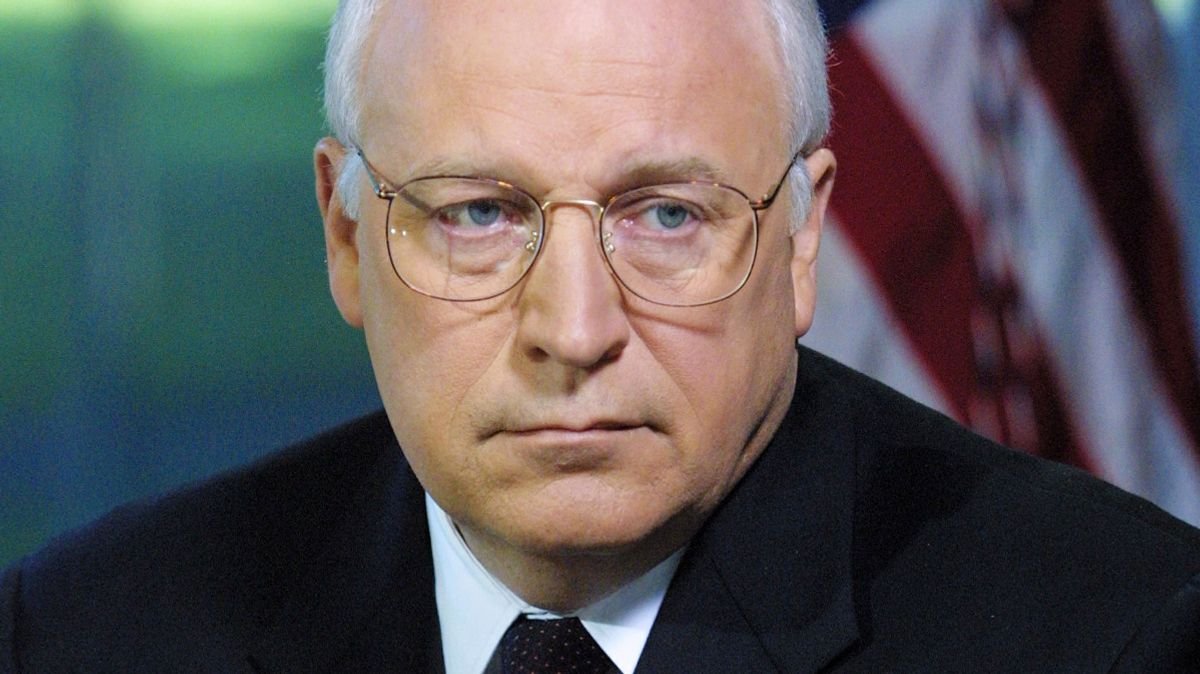

US Vice President Dick Cheney, known as one of the most influential deputies in American history, passed away at the age of 84. Cheney, often referred to as the “architect of the war on terror,” played a key role in persuading Britain to support the Iraq war. His legacy is marked by controversy and significant repercussions.
Throughout his career, Cheney operated behind the scenes, avoiding public appearances and media attention. While President George W. Bush took the spotlight, Cheney wielded power discreetly and assertively, shaping White House policies with conviction.
In his later years, Cheney’s staunch conservatism led to a rift within his party, especially due to his vocal criticism of Donald Trump, whom he labeled a “coward” and a grave threat to the nation.
Cheney, born in Lincoln, Nebraska, in 1941, rose to political prominence through disciplined and strategic maneuvers. His tenure as Vice President under George W. Bush was marked by pivotal decisions, particularly after the events of September 11, 2001, which solidified his advocacy for aggressive military actions and enhanced security measures.
Cheney’s influence extended to the international stage, notably shaping the UK’s involvement in Iraq alongside Tony Blair. His unyielding approach to foreign policy, including support for controversial practices like Guantánamo Bay and waterboarding, drew both praise and condemnation.
Despite facing personal and political controversies, including a hunting accident in 2006, Cheney remained steadfast in his convictions. His tenure, though marked by polarizing decisions, left a lasting impact on American politics and national security.
Cheney’s family confirmed his passing due to complications from pneumonia and heart disease. He is survived by his wife Lynne and their daughters, Liz and Mary, who have also pursued careers in politics.