

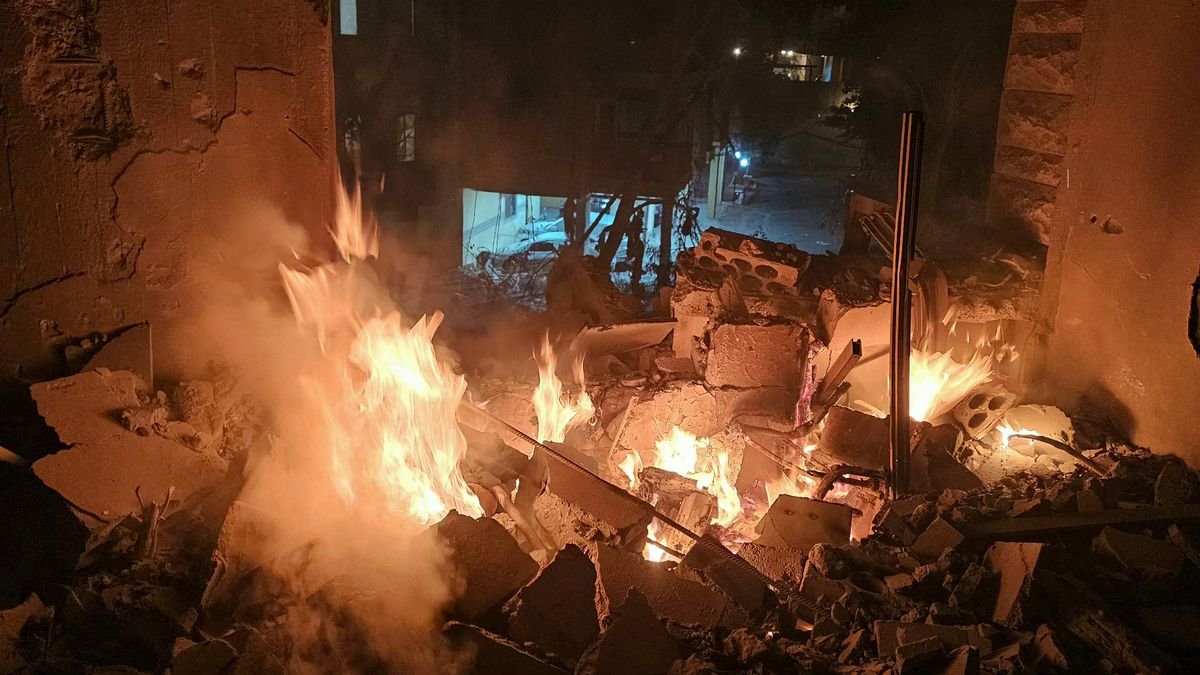

In a strategic move, American and Israeli military strategists had anticipated that eliminating Ayatollah Khamenei, the leader of Iran, would significantly weaken Tehran’s military capabilities. However, despite three days of intense bombing, reports from US intelligence suggest that Tehran’s command and control system remains intact.
This development indicates a potential miscalculation by the US, leading to Iran adopting a strategy of prolonged conflict, aiming for a war of attrition. President Donald Trump’s reliance on force and coercion is highlighted in contrast to previous administrations that valued intelligence insights.
While Israel remains focused on eventual victory, the US faces political and global ramifications. Defense Secretary Pete Hegseth’s assertion of surgical, overwhelming strikes contrasts with the reality of a potential prolonged conflict draining US and Israeli defense resources.
As tensions escalate, there is a likelihood of increased military presence in the Middle East, revealing the repercussions of Trump’s decision to engage without clear objectives. The economic impact, including rising oil prices, adds another layer of complexity to the situation.
Speculation arises about the potential for a shift in power within Iran towards a more moderate regime, yet challenges persist with the presence of hardline factions. The situation raises concerns about the prospect of internal conflict and instability in the region.