

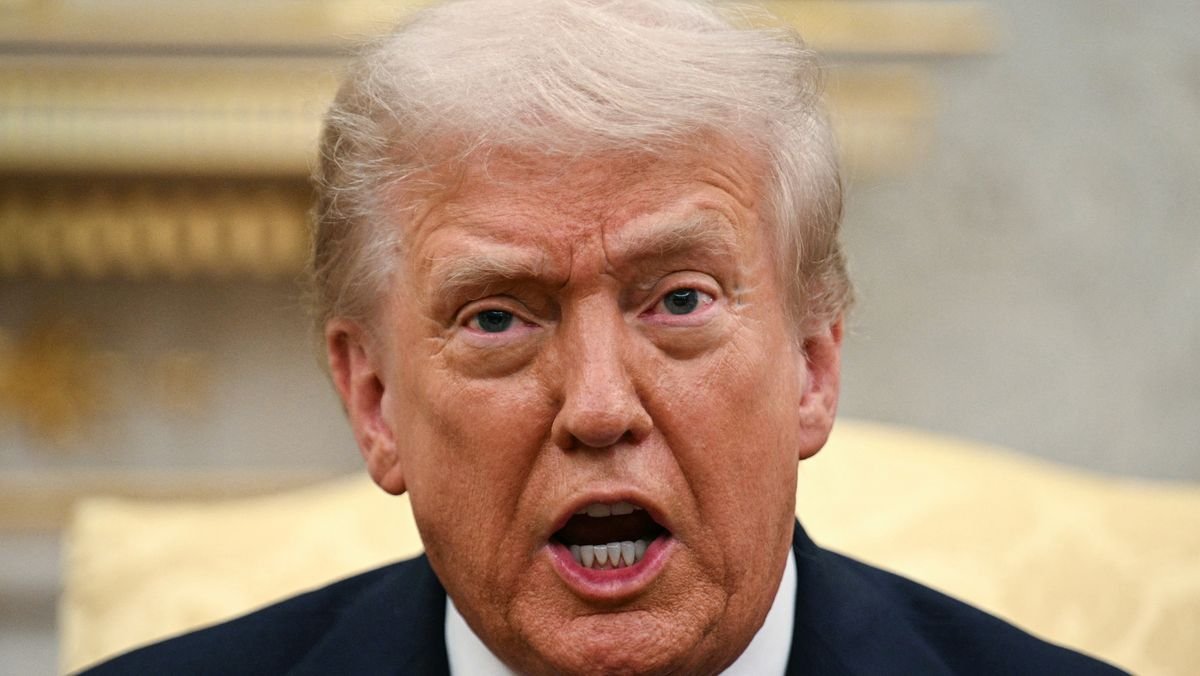

Healthcare experts are cautioning that patients could face negative consequences from NHS delays if the UK is compelled to pay higher prices for medications due to pressure from Donald Trump. Concerns are rising that a potential 25% increase in drug costs could strain the NHS budget, resulting in extended waiting times for patients. The US President’s threat of imposing steep tariffs on drug imports, unless the NHS agrees to pay elevated prices, has led to ongoing negotiations between the UK and US officials to avoid such measures.
The NHS has historically leveraged its collective bargaining power to secure more affordable drug prices compared to private hospitals in the US. Recent reports suggest that the UK government is contemplating raising the NHS “value for money” threshold by 25%, potentially leading to billions of pounds in additional spending on essential medications. This move follows warnings from pharmaceutical companies, including AstraZeneca, Lilly, and Merck, about pulling investments from the UK if higher prices are not accepted.
While London has presented the proposal to the Trump administration, its acceptance remains uncertain. Experts like Professor Ed Wilson from Exeter University emphasize the trade-offs involved in healthcare decisions, highlighting the impact on patient care and treatment delays. The potential increase in drug spending could improve access to costly treatments for NHS patients but would also mean higher overall medication expenses for the health service.
Moreover, concerns have been raised by Dr. Dan Howdon from Leeds University, who stresses the geopolitical and industry-driven motivations behind the proposed threshold increase. The UK government’s stance on the issue includes emphasizing the importance of the pharmaceutical sector to the NHS and the country’s economy, underscoring the need for collaboration with the industry for growth and innovation in healthcare.
President Trump’s argument that higher drug prices elsewhere subsidize global drug development has intensified the debate, with looming threats of significant tariffs on pharmaceutical imports. The UK government’s efforts to secure favorable terms for pharmaceutical exports from the UK in partnership with the US are ongoing, aiming to strike a balance between economic interests and healthcare priorities.
As discussions continue, the National Institute for Health and Care Excellence (NICE) plays a critical role in evaluating the clinical and cost effectiveness of medicines for the NHS. The potential adjustment of the NICE threshold by 25% could have far-reaching implications on healthcare resource allocation and patient outcomes, prompting a need for careful consideration of the trade-offs involved in healthcare spending decisions.