

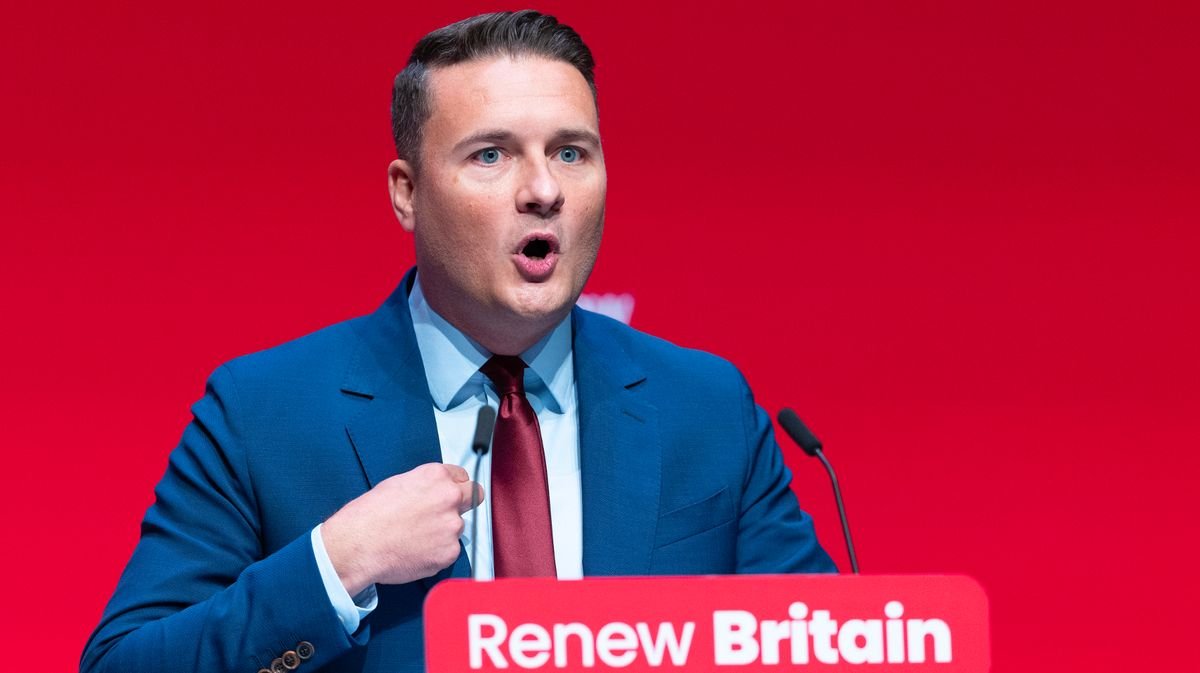

Social care workers in England are set to receive a pay increase starting in 2028, marking a significant victory for the Fair Care for All campaign led by the Mirror. A groundbreaking Fair Pay Agreement is being introduced for the 1.6 million individuals in the struggling sector, aiming to enhance standards for the elderly population. Health Secretary Wes Streeting announced the establishment of a new entity comprising trade unions and employers to negotiate improved pay, along with an initial injection of £500 million in funding.
Addressing the Labour Party Conference in Liverpool, Mr. Streeting emphasized the shift away from a system characterized by poverty, low wages, and job insecurity. He pledged support for the first-ever fair pay agreement for care workers, backed by both legislation and practical implementation, with the initial funding aimed at enhancing pay and conditions nationwide. The overarching goal is to ensure that those caring for our loved ones do not face challenges in caring for themselves.
The Fair Care for All campaign by the Mirror advocates for adequate staffing and funding in social care. While the government has committed to establishing a National Care Service, its implementation has been delayed pending a comprehensive review. The new entity will include representatives from both employers and trade unions, tasked with providing recommendations for workers in the private and public sectors. However, some critics argue that the allocated £500 million may not be sufficient to significantly boost wages.
Under the proposed Fair Pay Agreement, care workers will benefit from a universal career structure encompassing training and qualifications, aiming to professionalize the sector. This framework will empower unions to negotiate improved pay and conditions collectively, applicable across various private care home companies. The agreement is also set to receive legal backing through the progressing Employment Rights Bill in Parliament.
Commenting on the development, Will Dalton from the GMB union highlighted the transformative potential of Fair Pay Agreements in the care sector. He stressed the importance of ensuring fair wages and conditions for these essential workers, envisioning a safer, more respected, and better-valued industry. Currently, social care workers earn an average hourly wage of £12 to £13, falling short of the Real Living Wage benchmark.
The Health Foundation think tank estimates that the funding could translate to an average increase of approximately 20p per hour for care workers. However, Lucinda Allen from the Health Foundation cautioned that the £500 million funding may not deliver a substantial boost in staff pay. To align care worker pay with levels in comparable roles, an estimated £2.3 billion would be required by 2028/29.
Despite the positive developments, concerns remain about the adequacy of the funding, with Care England suggesting that the allocation might only result in a modest increase of 15p per hour for workers. The Mirror recently reported a rising trend of working-age individuals leaving employment to care for family members, underscoring the growing pressure on social care provisions.
Mr. Streeting emphasized the need to create a responsive social care system tailored to the evolving needs of an aging population. As the government faces criticism for delaying comprehensive reform in the sector, the future of social care hinges on policy decisions and funding commitments. The debate on the direction of healthcare, contrasting public service principles with alternative models, continues to evolve, shaping the future landscape of care provision in the UK.