

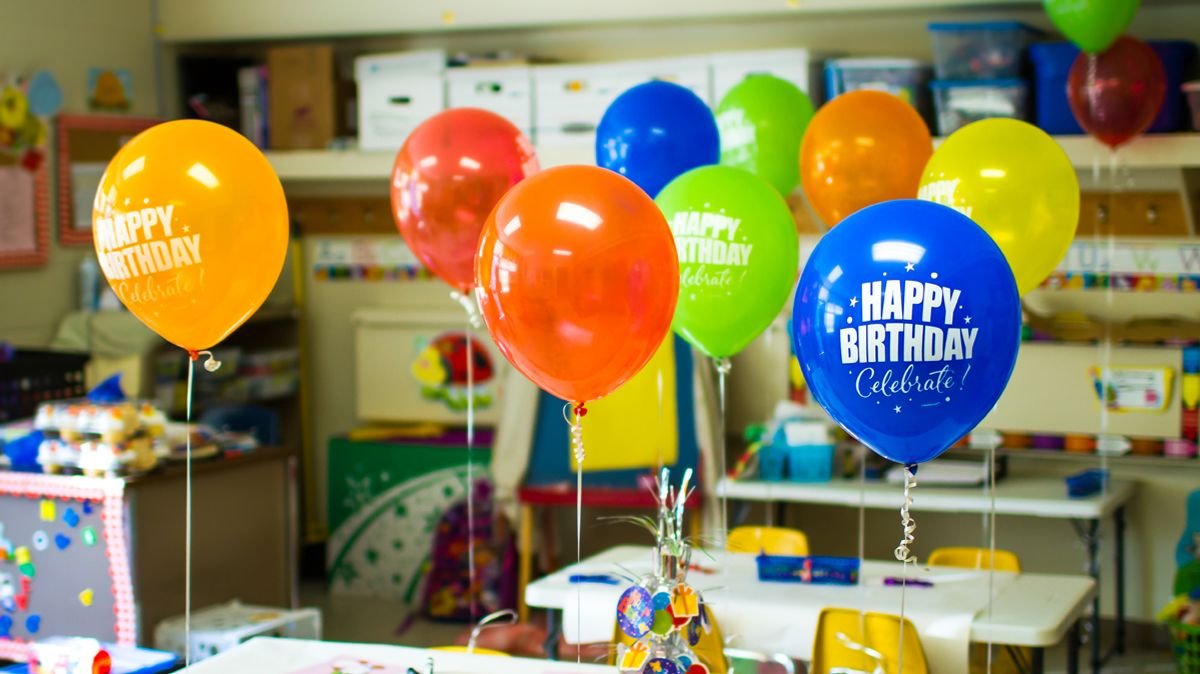

Online retailers such as Debenhams and eBay have been found selling party balloons containing illegal levels of cancer-causing chemicals. Tests conducted by the consumer group Which? revealed that some balloons being sold on these platforms had concentrations of harmful chemicals exceeding permitted limits by up to six times. The discovery has been labeled as “outrageous” by Which?, particularly due to the persistent warnings issued over the last decade regarding the dangers associated with such chemicals. The primary risk arises when individuals come into contact with the balloons, either by touching them, putting them to their lips for inflation, or inhaling the fumes emitted.
Which? purchased 21 packs of latex balloons from seven different online marketplaces and subjected them to British standard tests to determine the presence of carcinogenic chemicals. Out of the 21 packs tested, eight were found to contain levels of potentially carcinogenic substances well above the legal limit in the UK, indicating their illegal sale.
Among the concerning findings were balloons from various sources, including AliExpress, eBay, The Range, and Debenhams, with significantly elevated levels of nitrosamines, a group of chemicals classified as probable carcinogens. One balloon sourced from AliExpress had over six times the permitted limit of nitrosamines, while balloons from eBay and The Range had more than four times the safe level. Additionally, a balloon purchased from Debenhams contained over twice the legal amount of nitrosatable substances, which can transform into nitrosamines upon contact with saliva.
In a concerning incident, Trevor and Lucille Mathers bought balloons from Amazon’s Marketplace in March 2024 for their child’s birthday, only to receive a notification from Amazon a year later warning about the presence of cancer-causing chemicals in the balloons. The balloons were found to contain at least 25 times the legal limit of potentially carcinogenic substances. The couple expressed shock and dismay, emphasizing the risks posed to their children unknowingly exposed to such hazardous materials. Amazon responded by promptly removing the balloons from sale upon notification.
The issue is particularly concerning for children, whose developing bodies may be more vulnerable to the adverse effects of these chemicals. Natalie Hitchins, a spokesperson for Which?, shared a personal experience involving balloons purchased from Shein for her son’s birthday. The balloons emitted a strong chemical odor, causing discomfort and dizziness when inflated. Subsequent testing confirmed the presence of nitrosamines at more than double the legal limit.
Sue Davies, the head of consumer protection policy at Which?, condemned the sale of balloons containing high concentrations of carcinogens, emphasizing the need for stringent safety checks to ensure compliance with regulations. Davies highlighted the potential health risks associated with seemingly harmless items like party balloons, stressing the importance of adhering to safety laws to prevent serious health consequences.
Which? recommends consumers to look for balloons with a CE/UKCA mark, indicating compliance with health, safety, and environmental standards. While acknowledging the possibility of counterfeit marks, Which? advises using a pump for inflation to avoid mouth contact and suggests that adults should inflate balloons for children under the age of eight.
In response to the findings, the companies involved affirmed their commitment to customer safety. AliExpress, Debenhams, eBay, and Shein stated that they promptly removed the identified products from sale upon notification by Which?. Wilko, after independent testing in June 2025, recalled the balloons as a precautionary measure despite initially finding them safe, to further verify their suitability.
At <a href="https://www.reach