

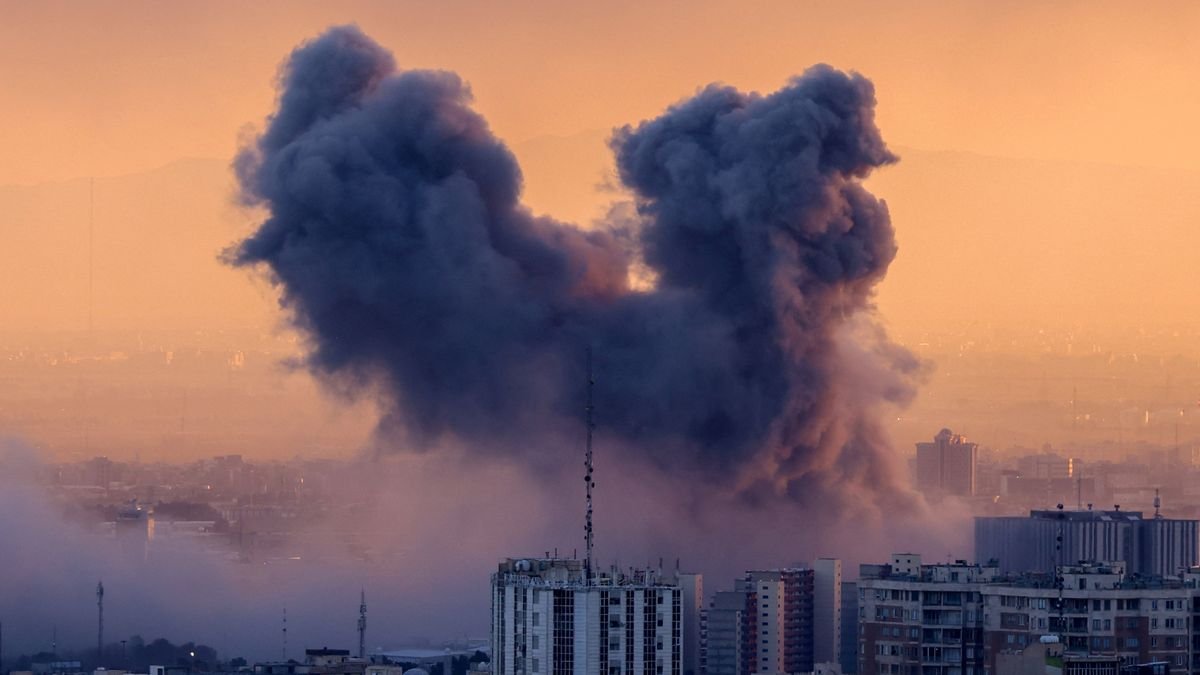

The ongoing conflict between the US, Israel, and Iran has entered a critical phase where all parties are carefully assessing their military capabilities in terms of missiles, bombs, drones, and defense systems. Iran is pursuing a strategy of attrition, aiming to prolong the conflict regardless of the escalating casualties, which have surpassed 1,000.
Iran’s objective includes causing significant economic damage to the Gulf States to gain leverage over them. Their arsenal consists of a limited number of missiles, rockets, and drones, which, despite their rudimentary technology, pose challenges in interception. The inefficiency of using expensive missiles against slow, low-flying drones has been highlighted.
Recent engagements involving UK Typhoons and F-35B jets in Jordan demonstrated successful interception of incoming drones. However, simpler methods such as machine guns could achieve the same result at a fraction of the cost. The US and Israel are cautious in managing their defensive missile resources as the conflict evolves.
Iran is gradually depleting its missile stockpile since the onset of the conflict, indicating a strategic shift to conserve resources. Western officials anticipate Iran’s missile capability to last for several more days, potentially extending to weeks. There are concerns over Iran resorting to asymmetric warfare through terror attacks in the region.
The conflict dynamics suggest a battle of endurance where Iran aims to outlast the interceptor missile supplies of the US and Israel. This approach seeks to pressure the opposing forces into halting the war, with each side vying for a perceived victory. However, the toll of the conflict on human lives, global economy, and stability remains high and devoid of meaningful gains.
Former intelligence operative Danny Citrinowicz noted Iran’s strategic calculations, indicating a prolonged conflict scenario. The potential escalation to target energy facilities in the region poses additional challenges. The conflict’s outcome hinges on the sustainability of interceptor missile resources and the parties’ willingness to continue the war.