


The United Nations is facing significant financial challenges as it commemorates its 80th anniversary. While global attention is on the conflict in Ukraine and the increasing number of countries recognizing Palestinian statehood, a crucial development at the General Assembly in New York is the UN’s dire financial situation.
The organization is grappling with severe financial strain, prompting plans to reduce its workforce and streamline its operations. The UN80 Initiative aims to overhaul the structure and focus of the organization to enhance agility and eliminate redundant tasks.
In response to financial constraints, the UN plans to cut its $3.7 billion budget by 20% next year, potentially leading to the elimination of 6,900 jobs, representing about 20% of its current 35,000 employees. While restructuring may bring about a more efficient UN by reducing overlapping programs and bureaucratic processes, there are concerns about the organization being forced to operate with fewer resources.
The financial challenges facing the UN are exacerbated by outstanding dues from member states, with the US accounting for a significant portion of the unpaid contributions. The Trump administration’s review of US funding to the UN has raised uncertainties about the future financial support to the organization, with potential implications for critical programs and initiatives.
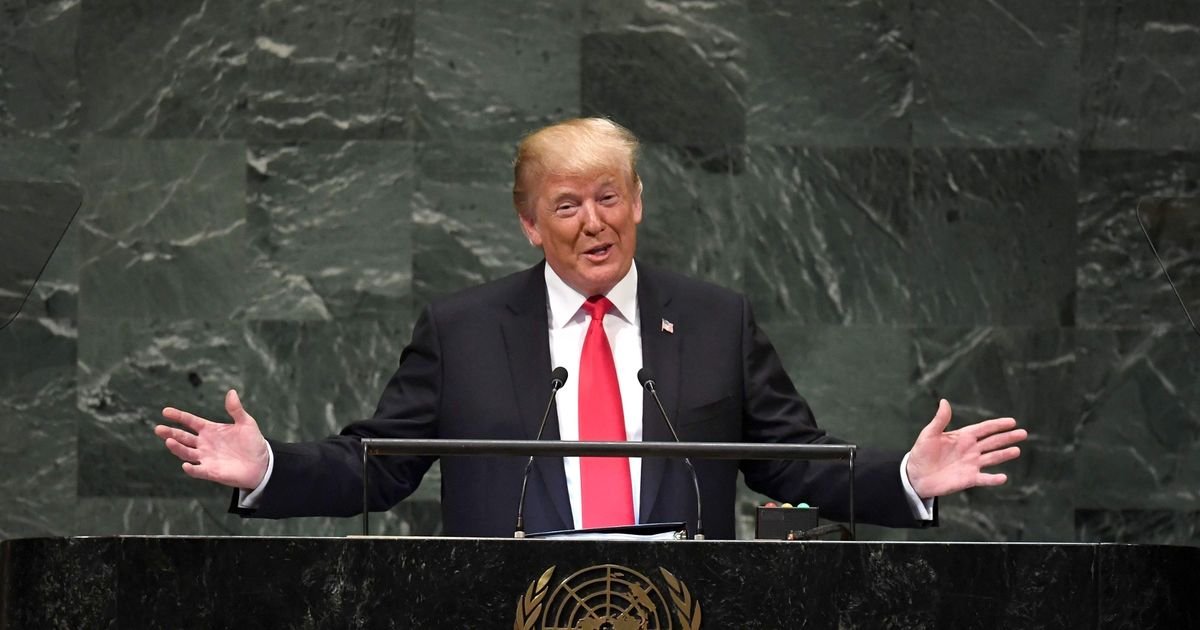
As the world monitors President Trump’s speeches and actions, the UN finds itself in a precarious position, with the US administration withholding funds from various UN agencies and programs. With global stability at risk and mounting pressures from financial constraints, the UN’s ability to fulfill its peacekeeping and humanitarian mandates is under threat.
In light of the current landscape, the UN’s financial woes are a topic of concern, underscoring the need for strategic solutions to ensure the organization’s effectiveness in addressing global challenges.