

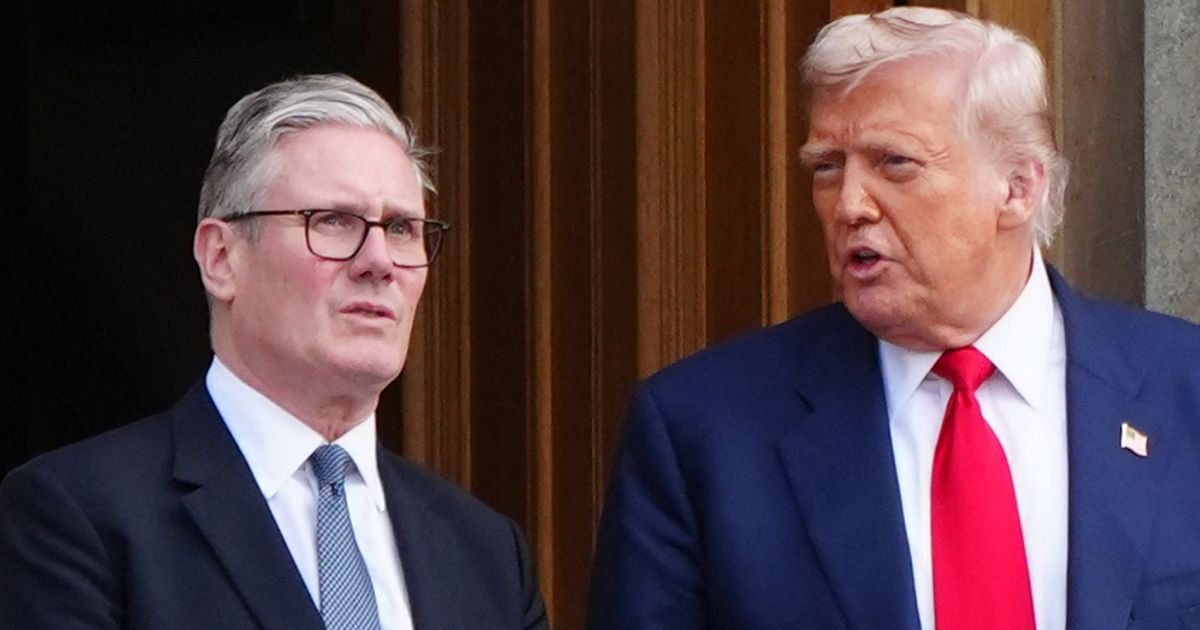

Keir Starmer’s contradictory stance on denouncing violent far-right extremists in the UK while embracing American guest Donald Trump has raised concerns. The recent large gathering in London supporting Tommy Robinson highlighted the deep divisions within the nation, emphasizing the need to stand against racist aggression.
Despite the call to resist far-right bullying tactics, Starmer’s hosting of Trump, known for his authoritarian and nationalist views, has sparked criticism. The intention behind this diplomatic move seems aimed at managing Trump’s actions to prevent detrimental impacts on various global issues.
The decision to host Trump at Windsor Castle and Chequers has been met with apprehension, as there are fears of the unpredictable consequences of such an unprecedented visit. Starmer’s political strategy in engaging with Trump has faced backlash, especially following recent resignations and sackings within his party.
Amidst growing discontent within Labour ranks, there are increasing calls for a change in leadership to address the ongoing challenges facing the UK government. Starmer is urged to navigate the delicate balance between addressing legitimate concerns and combating far-right extremism while handling internal party dynamics effectively.
The debate surrounding the Labour Deputy Leadership contest reflects broader tensions within the party, with differing views on policy directions and leadership styles. The upcoming elections will test Starmer’s ability to unite the party and address key issues such as wealth distribution and social welfare reforms.
As discussions on historical statues and political narratives unfold, the UK faces crucial decisions on how to address contentious legacies and promote inclusivity. Calls for a more transparent and open dialogue on policy issues underscore the need for effective leadership and strategic vision in navigating the country’s future challenges.