


The absence of response has transformed from concerning to unjustifiable, commencing not solely with Ghislaine Maxwell but also with influential individuals who persist in evading accountability for their associations with Jeffrey Epstein.
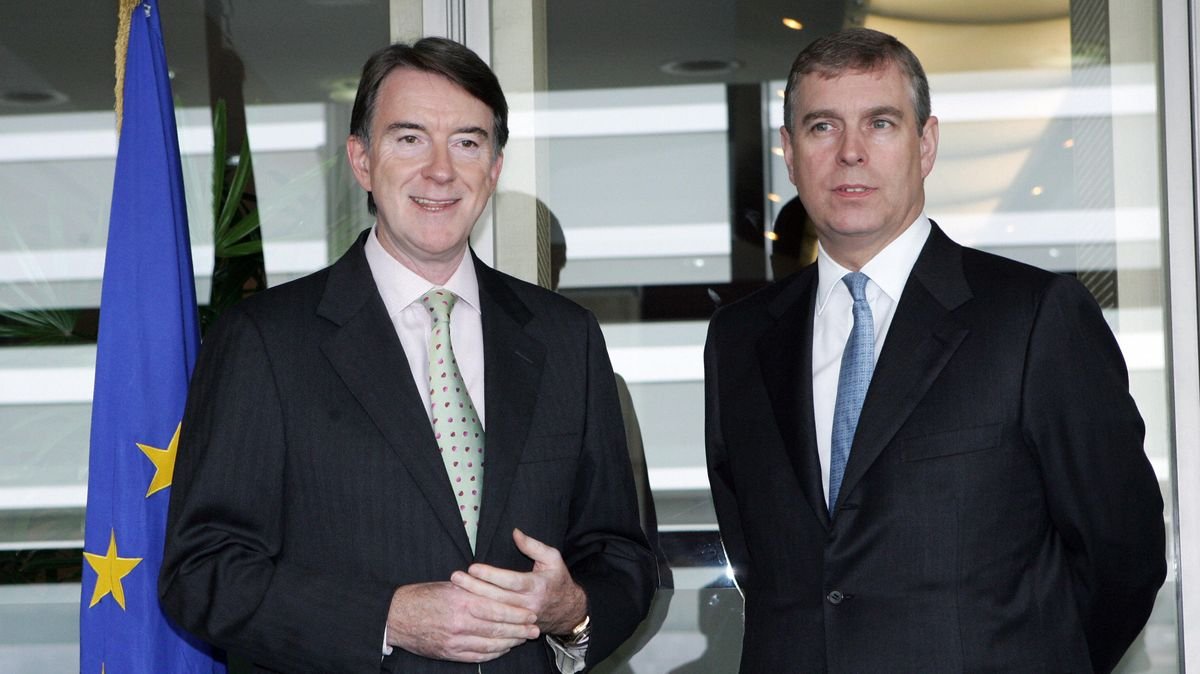
The ongoing quietness of Andrew Mountbatten-Windsor and Peter Mandelson becomes increasingly troubling as new revelations surface about the late financier’s exploitation of a nine-year-old child. Both of these men maintained close relationships with Epstein, yet have opted to remain silent in the face of escalating horror.
Amidst this environment, Maxwell’s composed demeanor during her video testimony to Congress from a comfortable Texas prison raises familiar concerns about the powerful uniting in silence, hoping that the truth will fade away. Despite her conviction for trafficking underage girls for Epstein, she appears to be serving her sentence in relative comfort, shielded from the repercussions of her involvement.
During her 20 minutes of silence before US lawmakers, Maxwell refused to engage, citing her right to remain silent. Her lack of acknowledgment for the victims, absence of remorse, and complete detachment from moral responsibility underscore the disconnect between legal compliance and ethical obligations.
The revelation of a nine-year-old victim and the redaction of names, including that of a current senior foreign official, within the Epstein files highlight a systemic failure that shielded Epstein and his associates for years. While Maxwell remains silent, others continue to benefit from secrecy and privilege.
Mountbatten-Windsor, despite denying wrongdoing and settling a civil case, has evaded public scrutiny regarding his connections to Epstein and Maxwell. Similarly, Mandelson, while admitting acquaintance with Epstein, maintains that no misconduct occurred. The public is left to accept these assertions amidst mounting evidence of broader complicity and exploitation.
Maxwell’s lawyer’s suggestion of her willingness to speak in exchange for clemency further fuels outrage, emphasizing the inappropriateness of using justice for abused children as a bargaining chip. Calls for stricter confinement or transparency reflect the growing frustration with the lack of accountability.
The primary concern extends beyond the conditions of imprisonment to the fundamental issue of accountability and integrity.
Lawmakers have raised alarms about redacted information in the Epstein files, pointing to a deliberate obfuscation of identities despite legislative safeguards. While victims deserve protection, the powerful should not be shielded from scrutiny.
As the moral implications of silence become more evident, particularly in the context of younger victims, the public’s tolerance for evasiveness from individuals of authority and influence diminishes.
Epstein’s demise may have provided closure for some, but the survivors continue to bear the enduring scars of ignored abuse. The legal safety of silence contrasts sharply with its moral implications, demanding transparency and accountability from all, irrespective of status or connections.