

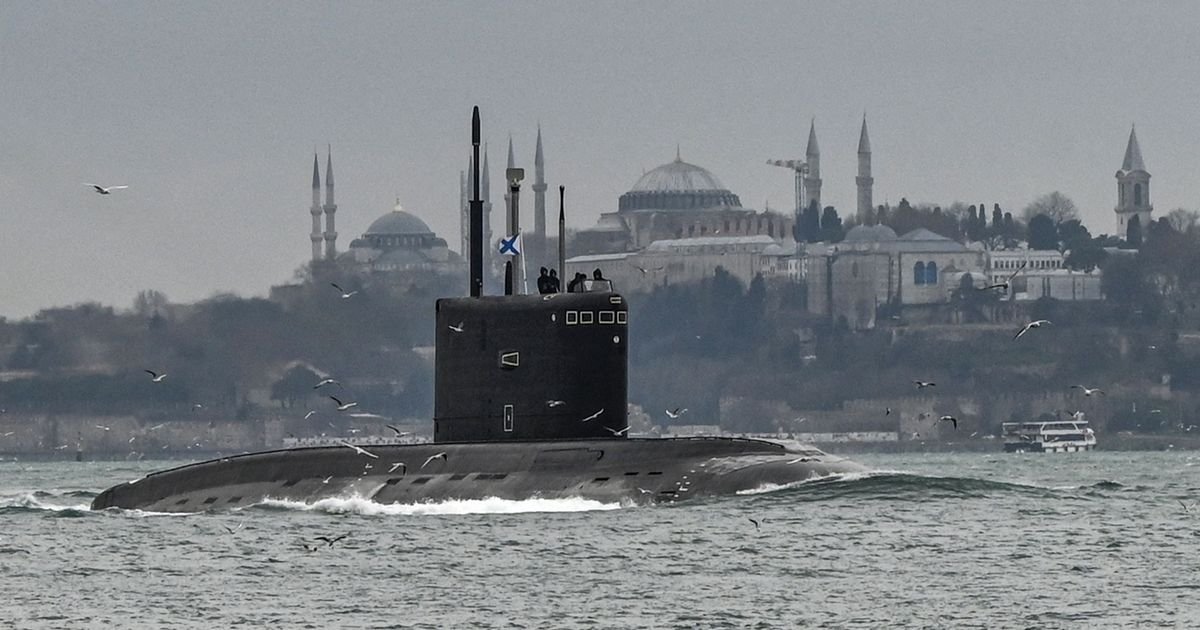

In recent years, safeguarding the northern borders of Britain has gained significant importance for the UK due to the escalating threat posed by Russia. There has been a notable increase in the presence of Kremlin submarines in the region, conducting covert operations to assess access to UK facilities and undersea cabling.
The heightened submarine activity off the coast is aimed at testing detection capabilities and gauging the UK’s response. Of particular concern is the vital role played by undersea cables connecting Europe, the UK, Ireland, and North America, facilitating millions of financial transactions and secure communications.
There are fears that in times of conflict, the destruction or sabotage of these cables could have catastrophic consequences. Russia’s Naval Spetsnaz commandos, known for their expertise in underwater operations, have reportedly trained to disrupt undersea cables, with a focus on the UK.
Furthermore, Russia is suspected of developing devastating “domesday bombs” capable of generating tsunami-like waves through underwater explosions. The potential deployment of such weapons off enemy coastlines raises alarming security concerns, especially if controlled remotely during wartime.
The extent of advancement in these weapons remains uncertain. Russia’s covert submarine fleet and specialized naval commandos, including the secretive Spetsnaz unit, highlight the clandestine nature of these operations.
The strategic importance of the North Atlantic region has also grown due to climate change, opening up new maritime routes between countries. As these passages become more accessible, they will play a crucial role in global trade and military activities.
Given these developments, a crucial security partnership has emerged between Norway and the UK, both of which have strong military ties. The UK’s advanced Type-26 frigates are equipped to detect and counter Russia’s underwater threats effectively, showcasing their anti-submarine warfare capabilities.
With the changing geopolitical landscape and evolving security challenges, the need to protect critical maritime routes and maintain strong alliances has become paramount for the UK’s security and global influence.