

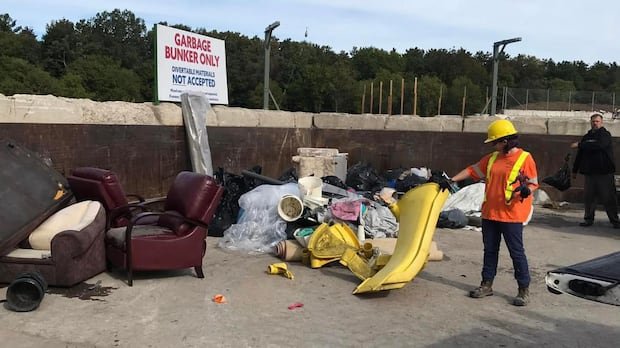

Meg Whitton, residing in Simcoe County, Ontario, found herself in front of a heap of discarded wood at the local dump. The pile, towering three stories high, was a mishmash of dresser drawers, broken chairs, and wooden pallets.
Despite her conflicting feelings about people’s waste, Whitton enjoyed the experience of scavenging at the dump. One Saturday, while disposing of an old broom, she spotted two weathered Cedar Muskoka chairs that caught her eye. Seizing the opportunity, she clandestinely took them home in her hatchback, fully aware that it was against the rules.
Upon refurbishing the chairs with her partner, tightening screws and applying glue, Whitton realized their potential for her backyard. This serendipitous find deepened her affection for the dump. Subsequently, she stumbled upon a part-time job opportunity at the facility and embraced the chance.
Working at the dump every Saturday from April to November, Whitton was surprised by the stories behind the items people discarded. She discovered a profound role in listening to individuals share the reasons for their disposals, ranging from faulty coasters to sentimental possessions of deceased loved ones.
Witnessing the abundance of nearly new items discarded, Whitton encountered Freddy, tasked with disposing of unsellable donations for a charity. This experience led her to reflect on her own contributions to charity and the emotions tied to discarding possessions.
As Whitton grappled with finding a new home for her children’s discarded Paw Patrol fire engine, she pondered the impulse behind acquiring items that eventually lose their value. In a world promoting decluttering and letting go of possessions, she questioned the underlying motivations for accumulating objects that no longer serve a purpose.