

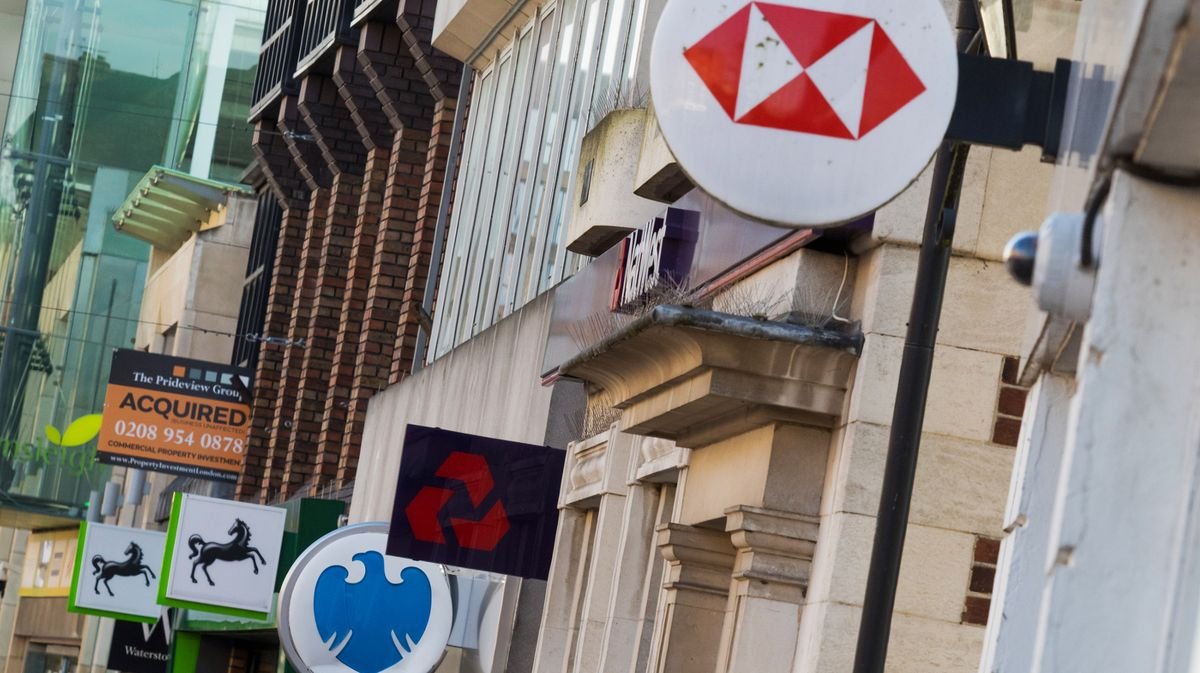

Over 100 bank branches are expected to shut down in 2026 as they continue to move away from physical locations on the high street.
This year, closure dates have been confirmed for 73 branches of major banks such as Lloyds, NatWest, Santander, Halifax, and Bank of Scotland.
An additional 29 branches have announced closure plans but have not set final dates yet, bringing the total closures to 102. Lloyds leads with 40 branches nearing closure or awaiting a finalized date.
Santander, Bank of Scotland, Halifax, and NatWest are also set to close 18, 17, 15, and 7 branches, respectively. Last year, Lloyds and Santander had already announced multiple closures due to the shift towards digital banking.
By the end of this month, 35 branches will have closed, with two more set to close in February, and an additional 23 in March. The remaining closures are scheduled for July and October or are pending finalization. Cornwall is the most affected by these closures, with four banks closing this year and two without set closure dates.
Last year saw 13 closures, with 6 in 2024, 14 in 2023, and 6 in 2022, totaling 45 closures. Scotland’s Highland council area is also facing the closure of six banks this year, including two without announced dates.
Scotland is projected to lose 20 banks, with five closures in Wales and one in Northern Ireland. The South East and South West of England are the most impacted regions, with 17 closures in each. Since February 2022, 2,065 branches have shut down or announced closure plans as part of a voluntary agreement among major banking groups.
Check our interactive map to find out about upcoming bank closures in your area
On average, there is at least one bank closure per day, or eight per week. The LINK initiative ensures that vulnerable customers and small businesses are supported during the transition to cashless payments and online banking.
When communities lose local bank branches, banking hubs or free ATMs are established to provide continued access to financial services.
Nick Quin, Chief Corporate Affairs Officer at LINK, stated that digital banking is on the rise, but cash remains crucial, with over £76 billion withdrawn from LINK cash machines last year. LINK assesses the impact of each closure to ensure adequate cash services are available when needed.
Gareth Oakley, CEO of Cash Access UK, mentioned that as more people shift to digital banking, banking hubs are increasing in number, with over 200 open now, including 100 in 2025 alone. These hubs cater to customers of major banks in one central location, facilitating around 150 customer transactions daily.
<p class="Paragraph_paragraph-text__PV