


Teams are working to plant a multitude of trees in a sprawling national park located in western Newfoundland, aiming to aid the recovery of its forests that suffered due to a once-overabundant moose population.
According to Darroch Whitaker, an ecosystems scientist with Parks Canada at Gros Morne National Park, approximately 730,000 trees have been planted since 2023 in areas that were previously forested but transformed into grasslands by the relentless grazing of moose.
Whitaker anticipates that the planting efforts will continue for another three years, ultimately reaching a total of 1.25 million trees across roughly four square kilometres.
However, the objective extends beyond merely restoring the forests devastated by moose. He explained that they are strategically selecting a diverse range of tree species that can thrive in increasing temperatures, thereby creating resilient new forests capable of withstanding the impacts of climate change.
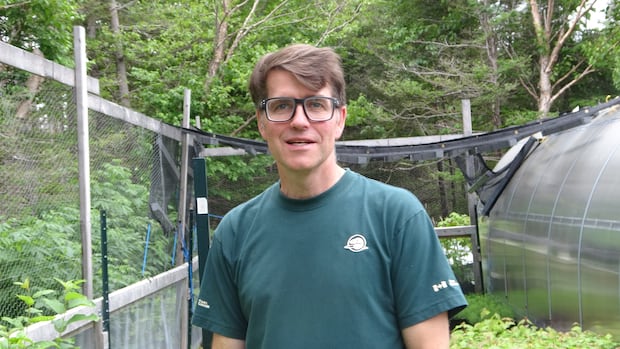
“The trees we plant today will need to endure for at least another century, and we recognize that the climate is shifting,” Whitaker stated during an interview outside a Parks Canada tree nursery and greenhouse in Rocky Harbour, N.L., situated in the heart of the park.
“We are considering the projected climate for decades ahead to ensure that the trees we choose will be appropriate for those conditions.”
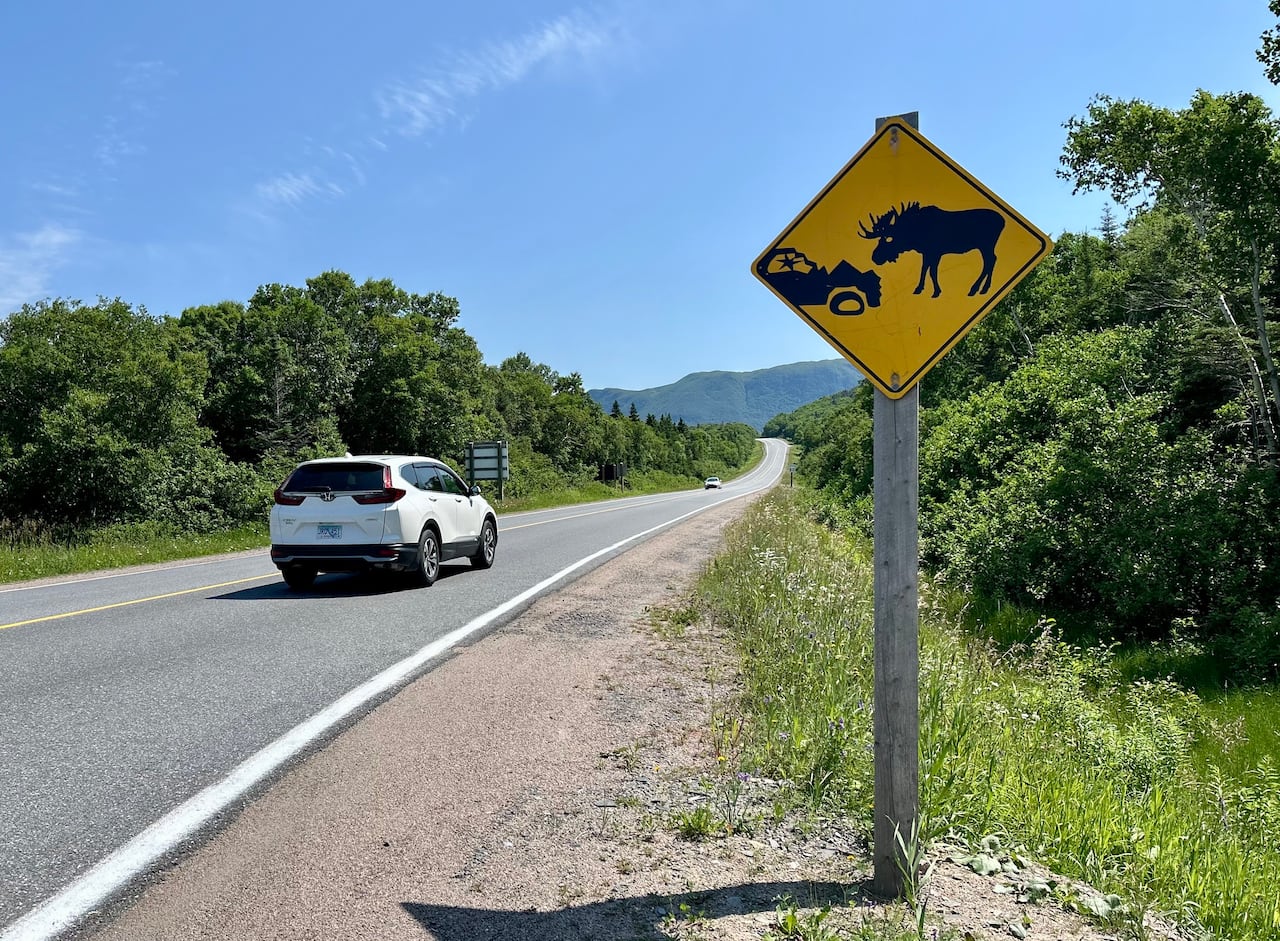
In the 1990s, the park was home to approximately 6,500 moose, a number that has since decreased to around 2,000. (The Canadian Press/Sarah Smellie)
Gros Morne is renowned for its majestic fiords and boreal forests interspersed with rivers and waterfalls. Established in 1973, the 1,805 square-kilometre park is the second-largest national park in Atlantic Canada.
While moose can be found in abundance throughout Newfoundland, they were particularly prevalent in Gros Morne due to a hunting ban that previously protected them from their sole natural predator on the island.
During the 1990s, the moose population in the park peaked at around 6,500, with some regions hosting as many as six or more moose per square kilometre, as noted by Whitaker.
“We were observing some of the highest moose densities ever recorded globally,” Whitaker remarked. “Moose were nearly ubiquitous, and in areas where hunting was prohibited, they showed little caution around humans.”
They roamed freely on the roads, wandered through towns, and rested on hiking trails, leading to significant consumption of young trees.
Their feeding habits became problematic in regions where trees had already been decimated, possibly by pests like beetles, according to Whitaker.
Typically, these regions would regenerate naturally, but the moose consumed the new growth that could have developed into trees. Consequently, the park is now dotted with bald patches, referred to as moose meadows, within the forests.
In 2011, park officials permitted moose hunting, which has successfully reduced the population to a manageable level of about 2,000 animals, according to Whitaker. By 2023, tree planters were deployed with bags of two-year-old saplings into these moose meadows to commence the reforestation process.
The saplings, typically planted at around two years of age, are largely cultivated at the Rocky Harbour tree nursery.
On a recent Thursday, the small facility was filled with trays of young saplings. Outside, Whitaker and a colleague dedicated much of their time to meticulously inspecting the leaves of new red maples and other young trees for harmful pests.
Gros Morne features a variety of black and white spruce and balsam fir trees. Whitaker and his team are incorporating what he describes as “boutique trees,” including yellow birch, white pine, and wild cherry, which are predominantly found in the southern parts of the park.
They are also utilizing seeds sourced from these warmer southern regions, ensuring that the trees planted are already adapted to the elevated temperatures expected in the coming decades, when they reach maturity.
“A tree cannot migrate independently; it remains fixed in its initial location, where the seed lands,” he explained. “They cannot move at the same pace as climate change, which means they may require some assistance.”
Download our free CBC News app to sign up for push alerts for CBC Newfoundland and Labrador. Sign up for our daily headlines newsletter here. Click here to visit our landing page.