

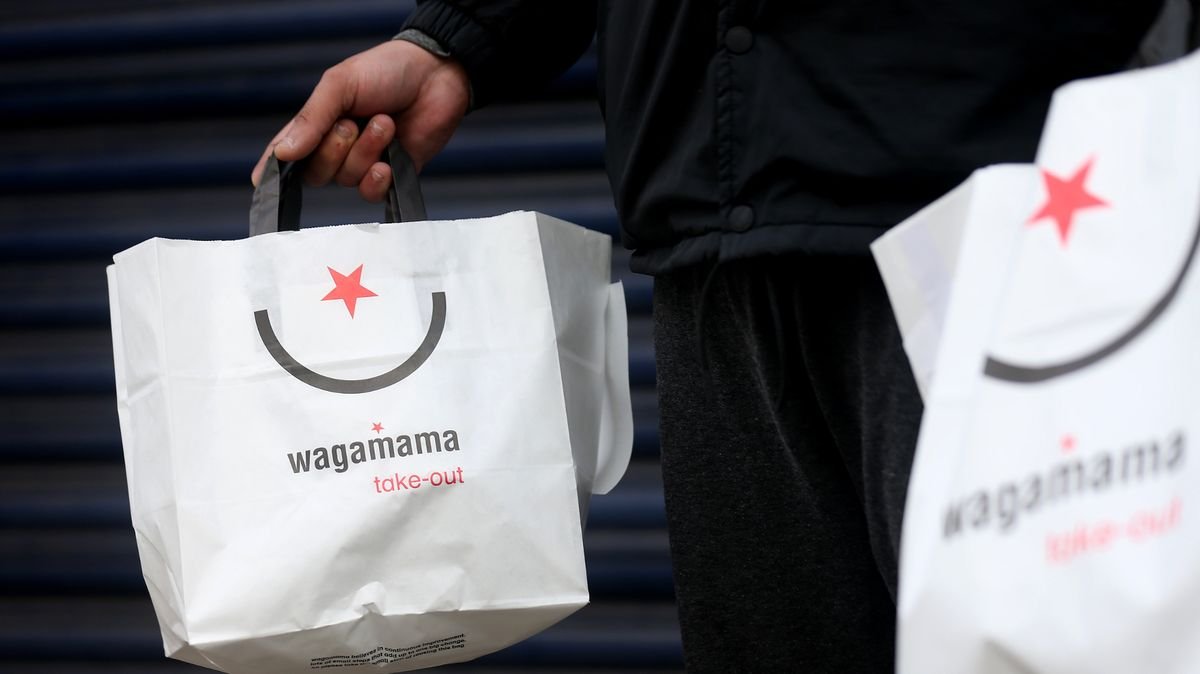

Wagamama is contemplating raising prices on its UK menu in the upcoming year. The pan-Asian restaurant chain has informed investors about potential “selective price increases” due to expected higher expenses in labor, food and beverages, and rent.
According to a report by The Times, Wagamama foresees a 4% to 5% increase in labor and food and drink costs, while other expenses like rent (excluding energy costs) may rise by 2% to 3%. This move coincides with the upcoming 4.1% hike in the minimum wage scheduled for April 2026, setting the hourly rate for workers aged 21 and above at £12.71.
Workers aged 18 to 20 will experience an 8.5% increase in their minimum wage to £10.85 per hour, while those aged 16 and 17 will be entitled to a minimum of £8 per hour.
In parallel, National Insurance contributions from employers climbed from 13.8% to 15% in the 2024 Budget, adding further strain on businesses. Wagamama is aiming to achieve £8 million in savings next year by optimizing its operations.
A company spokesperson mentioned, “We have intentionally refrained from significant price hikes and focused on enhancing our customer offerings. Our strategic investments have led to increased customer traffic, outperforming the broader dine-in casual dining market.”
The statement continued, “We will reassess our pricing strategy in 2026, with a steadfast commitment to providing our customers with excellent value for their money.” The Mirror has reached out to Wagamama for additional comments following the disclosure that over 2,000 jobs were cut during the latest financial year, reducing the headcount from 17,542 to 15,468 primarily due to the sale of Frankie & Benny’s in late 2023.
The Restaurant Group reported a pre-tax loss of £32.2 million for 2024, surpassing the £19.6 million loss in 2023, although revenue increased from £824 million to £868.1 million. The company’s board emphasized their focus on maintaining quality, customer service, and cost efficiency amid challenging economic conditions.
Moreover, Wagamama continues to adopt a cautious approach to new store openings while investing in technology to support customer initiatives such as the ‘soul club’ loyalty scheme.