

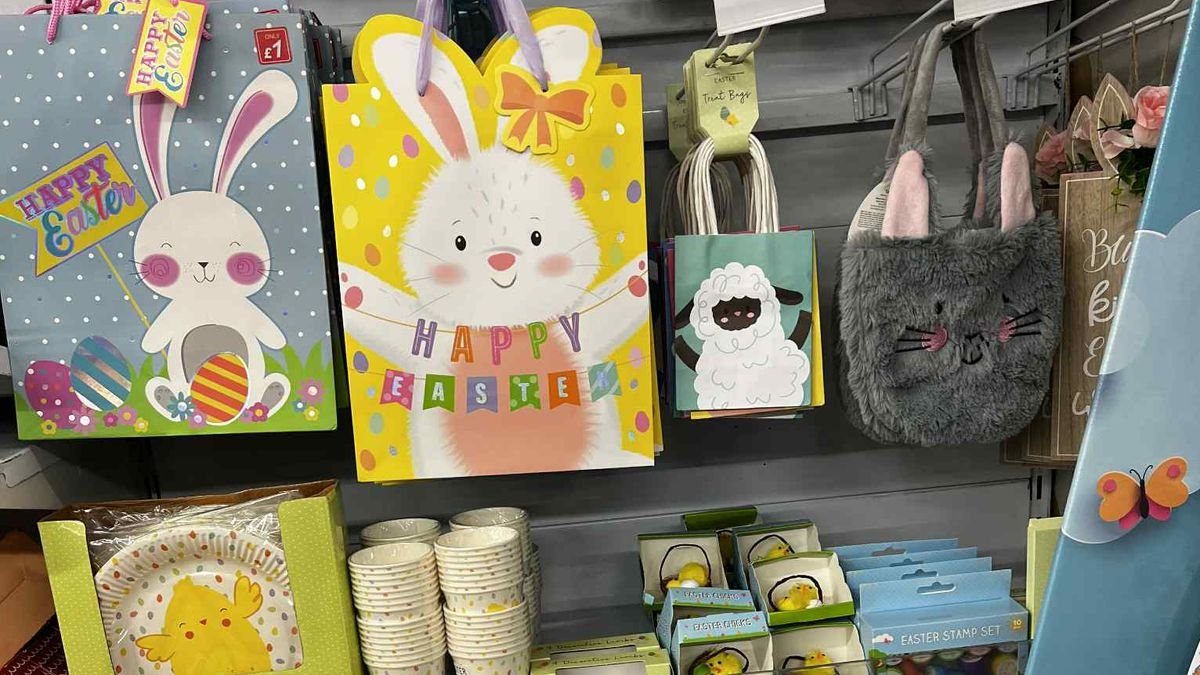

As many Britons are still enjoying their Christmas break, it may come as a surprise to see Easter-themed items already lining the shelves in various stores. Despite the holiday being four months away, ‘Happy Easter’ gift bags, fluffy bunny toys, Easter eggs, and bonnets are making an early appearance in the shops.
Initially struck by a sense of disbelief while still immersed in the holiday spirit of Christmas, the sight of spring-themed products in the midst of freezing weather seemed out of place. However, upon reflection, the early introduction of Easter merchandise evoked mixed emotions.
While it is understandable to seek anticipation for upcoming events, the premature display of Easter items also serves as a clever marketing tactic that can induce stress in some individuals who feel pressured to plan ahead without fully enjoying the present moment.
With January typically being a dreary month, the reminder of the approaching sunny days and the prospect of engaging in Easter activities could serve as a welcome distraction from the post-holiday blues. For parents like myself, introducing children to upcoming festivities like Easter can be an exciting prospect, although the extensive lead time of four months may seem excessive.
Recognizing the psychological strategies behind the early placement of seasonal products in stores, Psychotherapist Kamalyn Kaur explained how retailers aim to trigger consumer impulse by creating a sense of anticipation and prompting early purchases. By displaying Easter items in advance, stores foster a subconscious reminder of the upcoming holiday, encouraging customers to plan and shop ahead.
While personally hesitant to indulge in Easter shopping so soon, the early presence of merchandise underscores the delicate balance between seasonal festivities and the need for a morale boost during the January slump. Whether gearing up for Christmas, Easter, or other significant occasions, embracing the excitement of future celebrations can help alleviate the January blues and inspire early event planning.