


Christopher Dean waited more than forty years to be knighted, raising questions about when Kevin Sinfield will receive the same recognition. The fact that Dean received his knighthood before Sinfield, despite the delay, highlights flaws in the honors system.
In 1984, Dean and Jayne Torvill, who recently received a damehood, achieved Olympic gold in Sarajevo with a flawless performance to Maurice Ravel’s Bolero. The delay in honoring them raises concerns about the selection process, especially when compared to individuals like Gareth Southgate, who received honors without significant achievements.
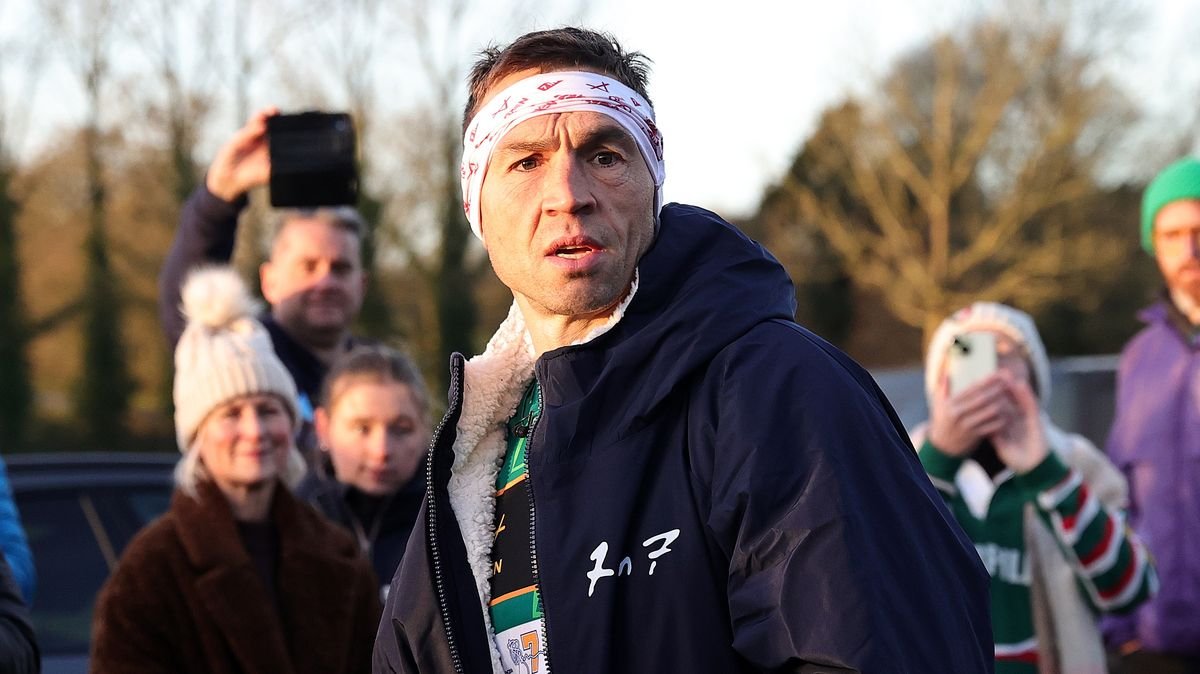
Despite his remarkable efforts in raising awareness and funds for motor neurone disease, Sinfield is yet to be knighted. The stringent criteria for a knighthood emphasize the nominee’s positive impact on a national or international level, active involvement in their work, and a waiting period between honors.
Sinfield, known for his humility despite his extraordinary accomplishments, may have declined a knighthood offer. The delay in honoring him raises doubts about the fairness and transparency of the honors system, which critics argue perpetuates inequality and privilege.
Coming from a Rugby League background, Sinfield’s outstanding contributions have elevated his status post-retirement. However, if his background influences the delay in receiving a knighthood, it would reflect a form of elitism.
The ongoing situation surrounding Sinfield underscores the need for a thorough review of the honors system, which has faced criticism for favoritism and unfairness. While Billy Boston received a knighthood earlier this year for his contributions to Rugby League, Sinfield’s consistent overlook may suggest bias based on his background.
In the midst of debates about equality and fairness, the delay in recognizing Sinfield’s achievements raises concerns about the integrity of the honors system and the values it upholds.